Photos from current listings. Actual item, color, and included accessories may vary.
Barbell And Weight Set Buying Guide
Barbell and weight sets bundle a bar with plates or adjustable dumbbells, and the core trade-off is bar sleeve diameter and plate material versus the load ceiling and safety of the connector system. Durable options use steel bars with standard 1-inch or 2-inch sleeves and cast-iron or rubber-coated plates; compromises rely on plastic collars, sand-filled shells, and thin chromed tubes that flex under load. Buy by sleeve standard and total loaded capacity, not by the advertised starter weight.


At a glance
- Category
- Barbells, Plates & Dumbbells
- Data updated
- Nov 17, 2026
Current offers
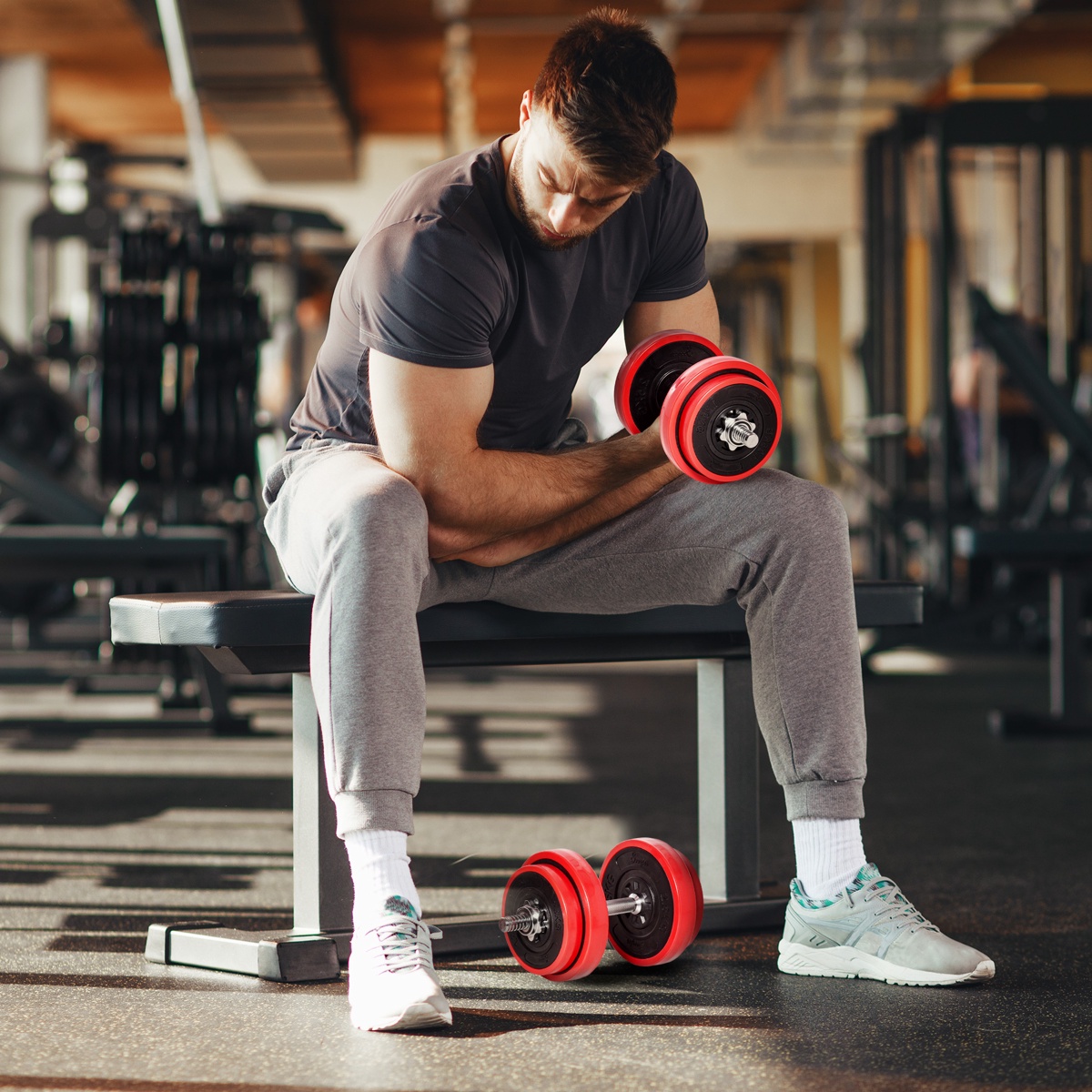 Adjustable Dumbbell Set, 44lbs Convertible to Barbell Weight Set for Home Gym Women and Men Lifting Training$56.99
 View on Mallflare
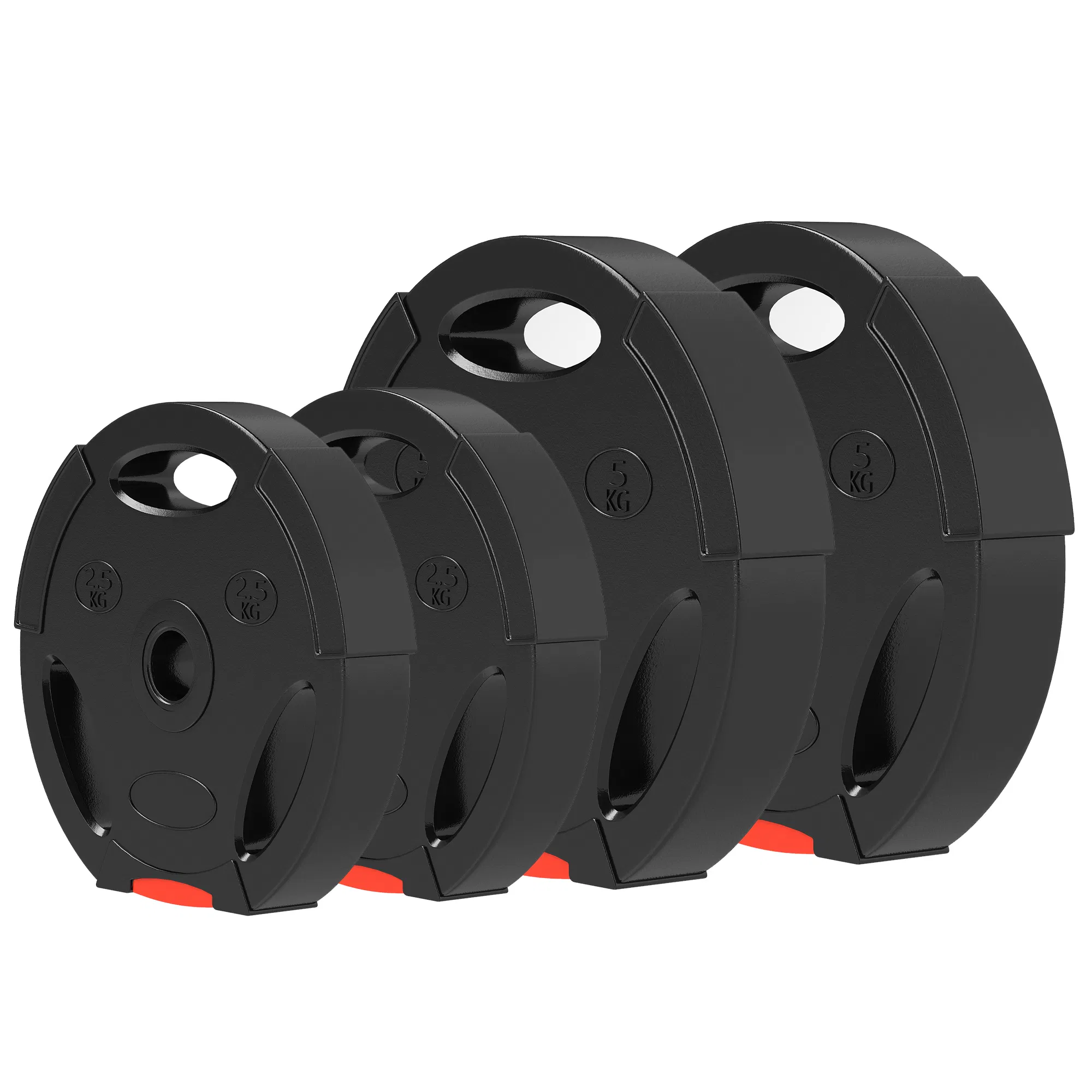 1-Inch Weight Plates, Barbell Weights Set for Weightlifting and Strength Training, 2 x 11lbs + 2 x 5.5lbs$76.99View on Mallflare
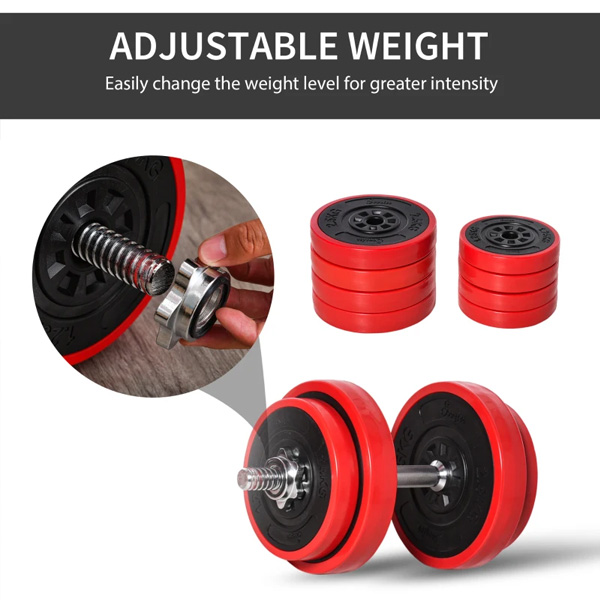 Adjustable Dumbbell Set, 44lbs Convertible To Barbell Weight Set Made With Metal Sand And Plastic For Home Gym Women And Men Lifting Training$89.99View on Mallflare
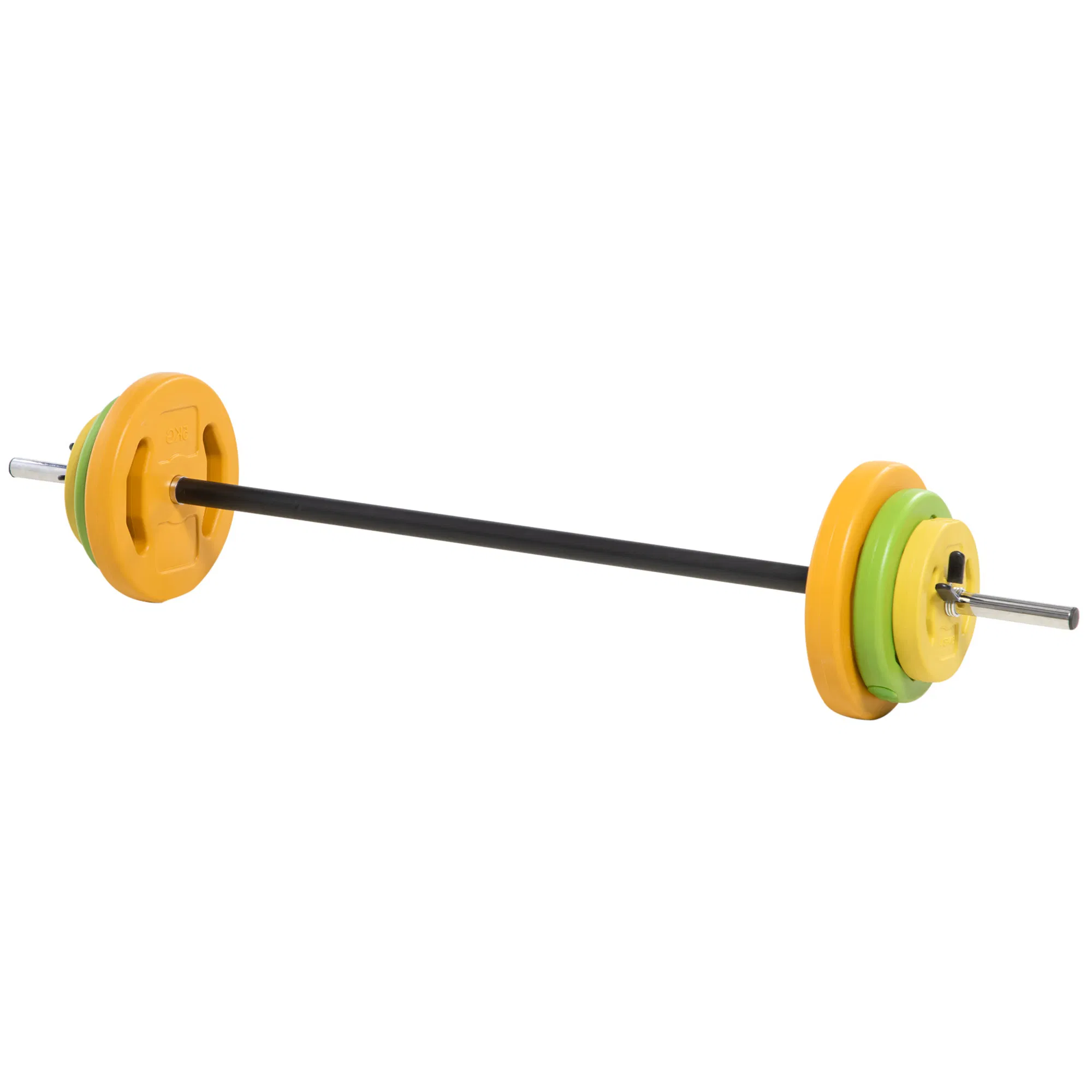 44lbs Adjustable Barbell Weight Set with Non-slip Handle for Home Gym$123.99View on Mallflare
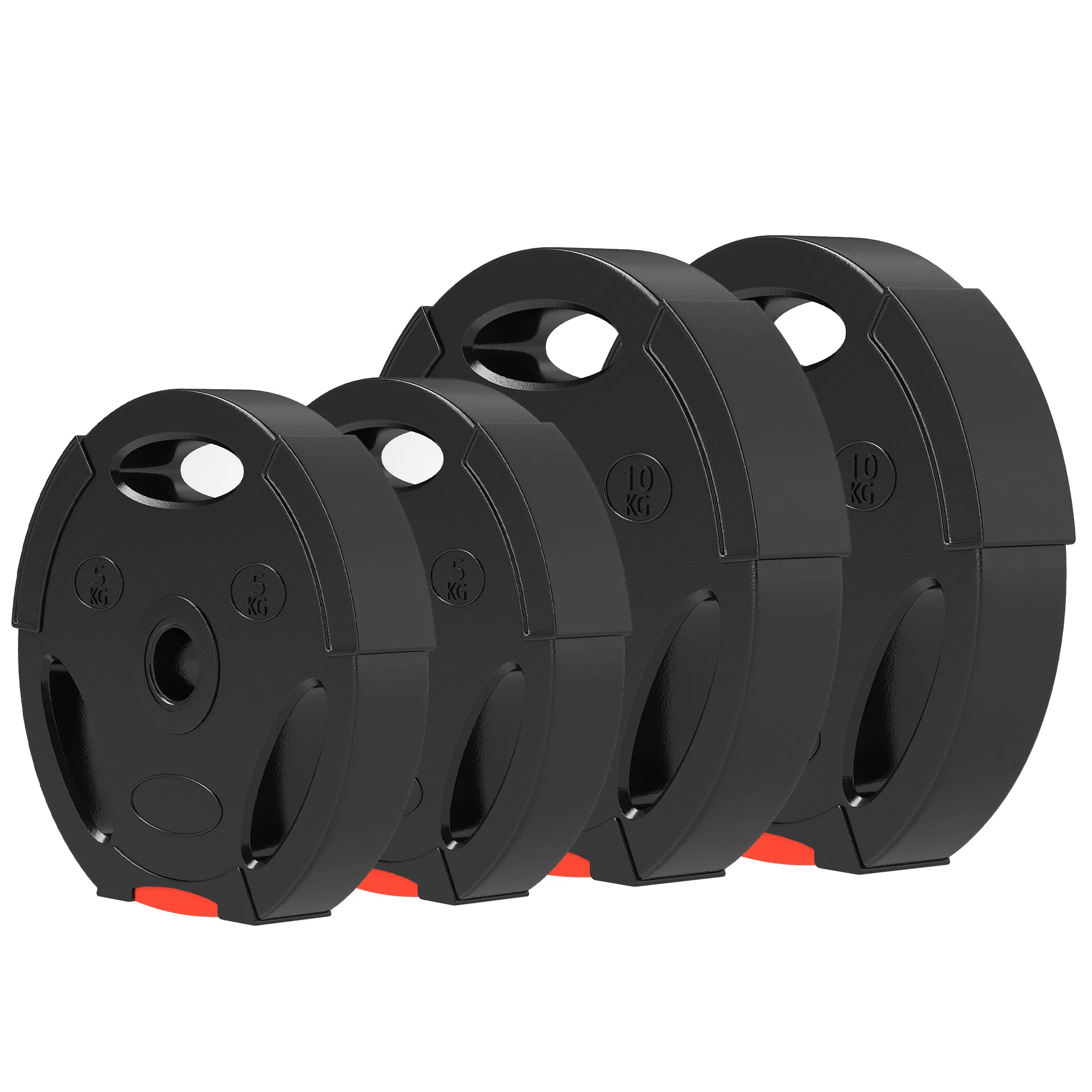 1-Inch Weight Plates, Barbell Weights Set for Weightlifting and Strength Training, 2 x 22lbs + 2 x 11lbs$123.99View on Mallflare
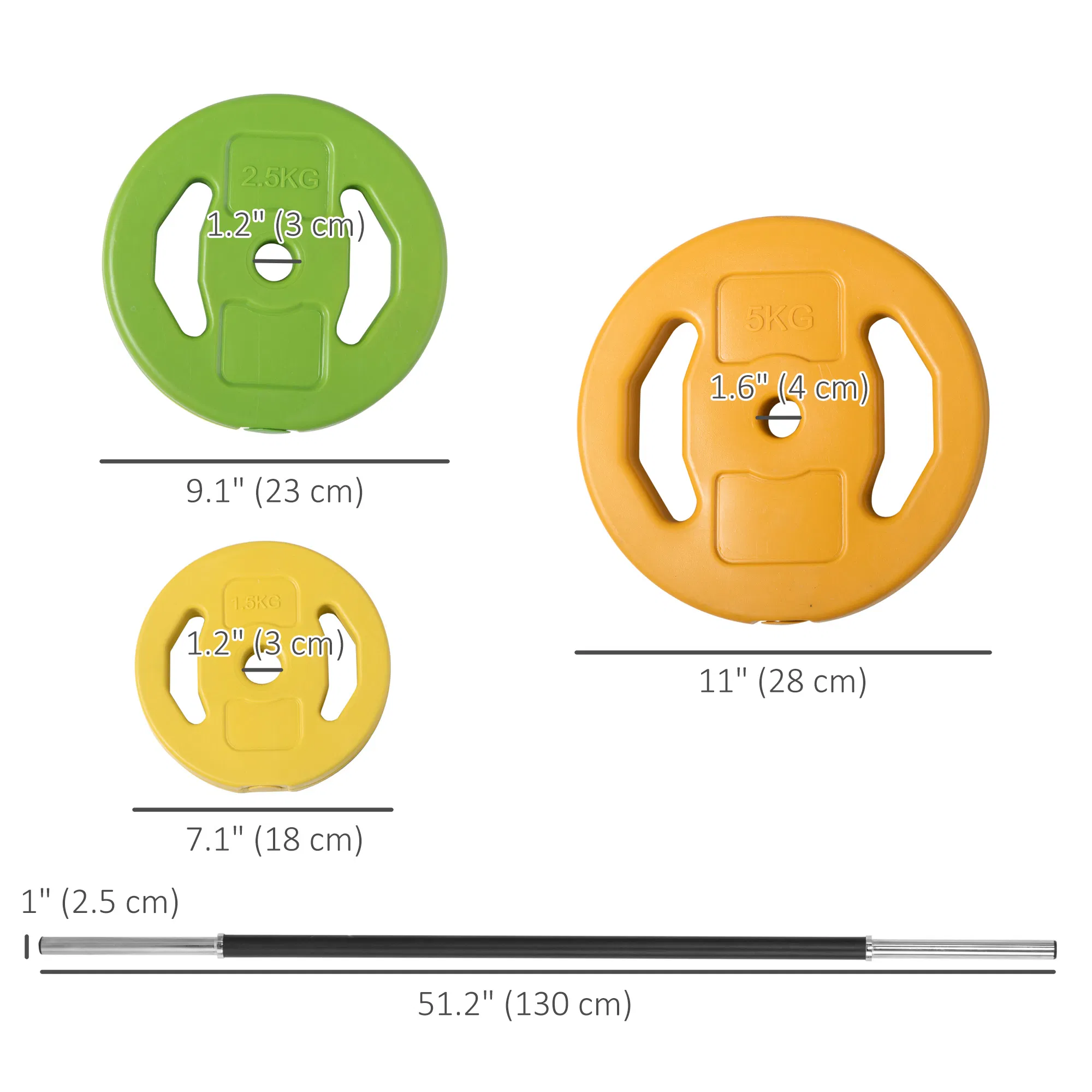 Adjustable Barbell Weight Set 44 Lbs with Non-Slip Handle for Home Gym Fitness Exercise Equipment$204.99View on Mallflare
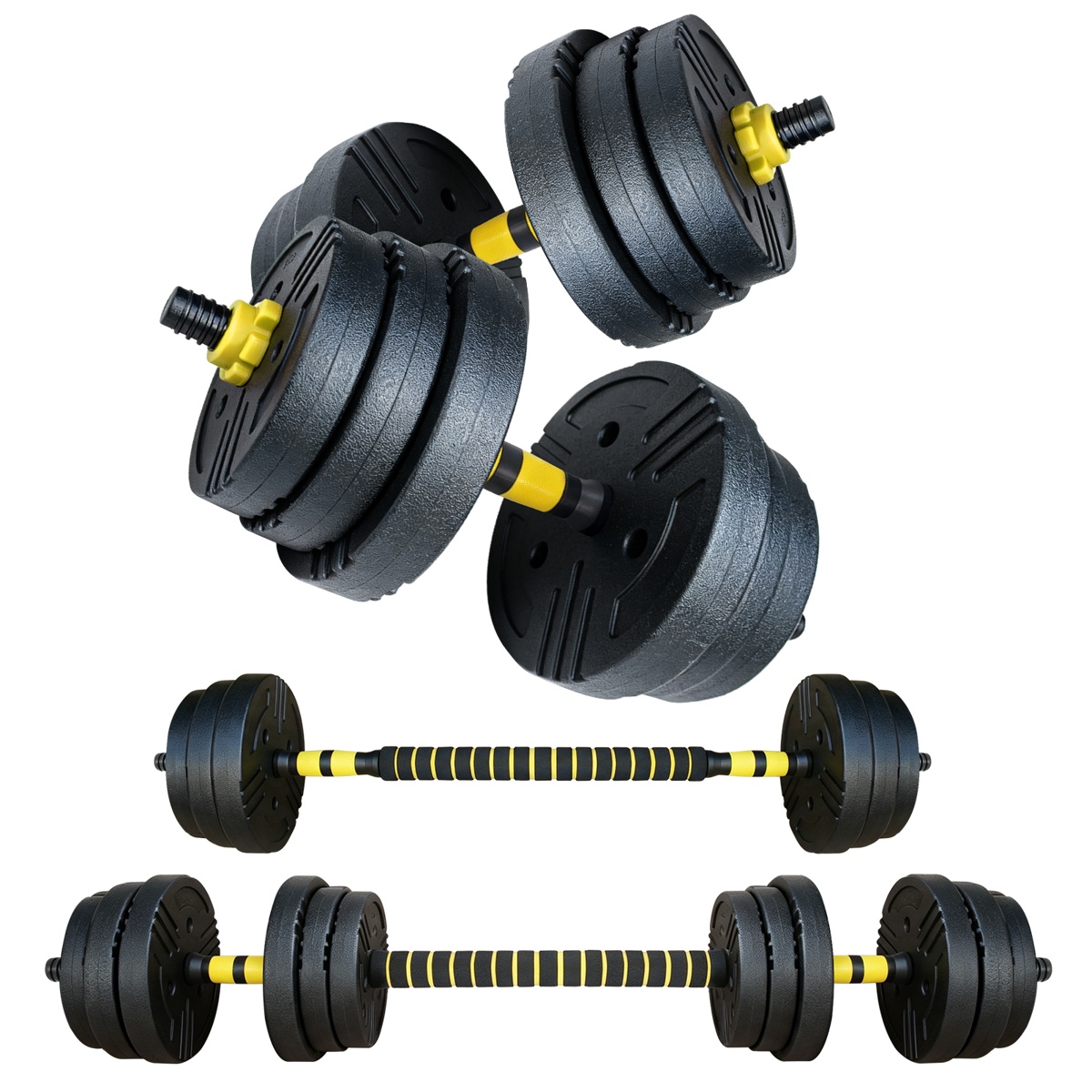 Adjustable Dumbbells, 45 lbs Free Weight Set with Connector, Multifunctional Set Used as Barbell, Dumbbell, Push-ups and Plate, Fitness Exercises for Home Gym$42.99View on Mallflare
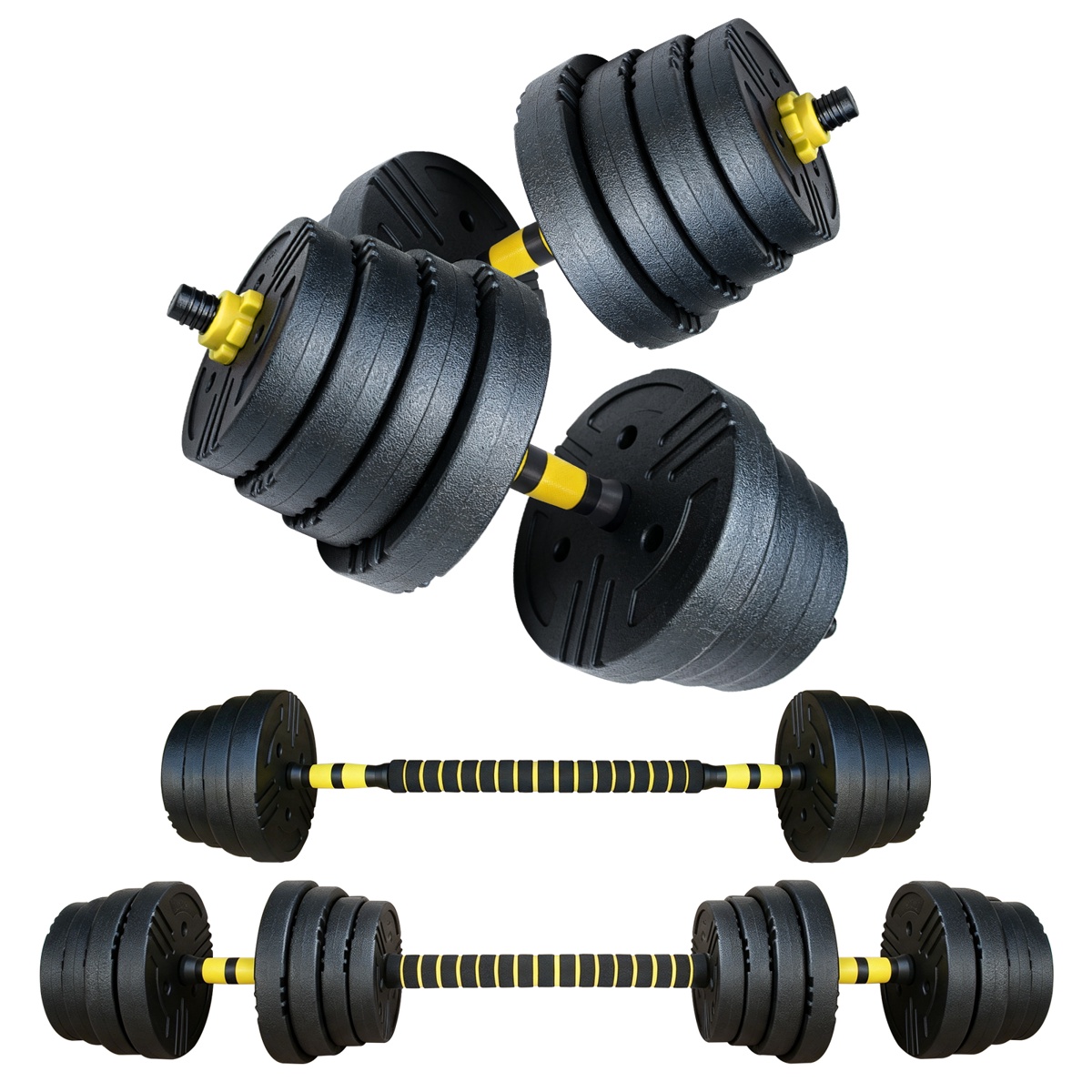 Adjustable Dumbbells, 66 lbs Free Weight Set with Connector, Multifunctional Set Used as Barbell, Dumbbell, Push-ups and Plate, Fitness Exercises for Home Gym$58.99View on Mallflare
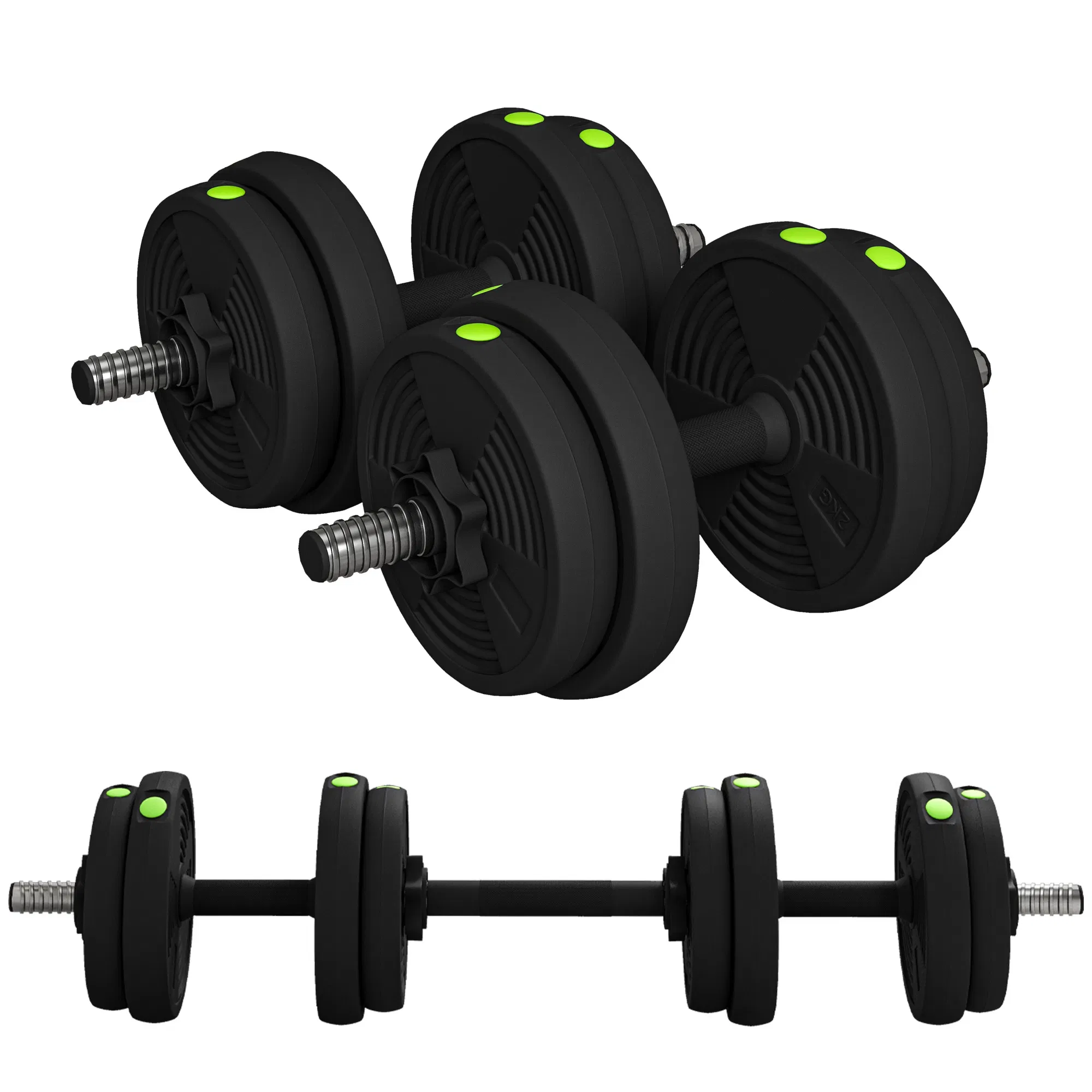 33LBS 2-in-1 Adjustable Barbell & Dumbbells Set, Weights Set with Non-slip Handles for Men and Women Home Gym Training$98.99View on Mallflare
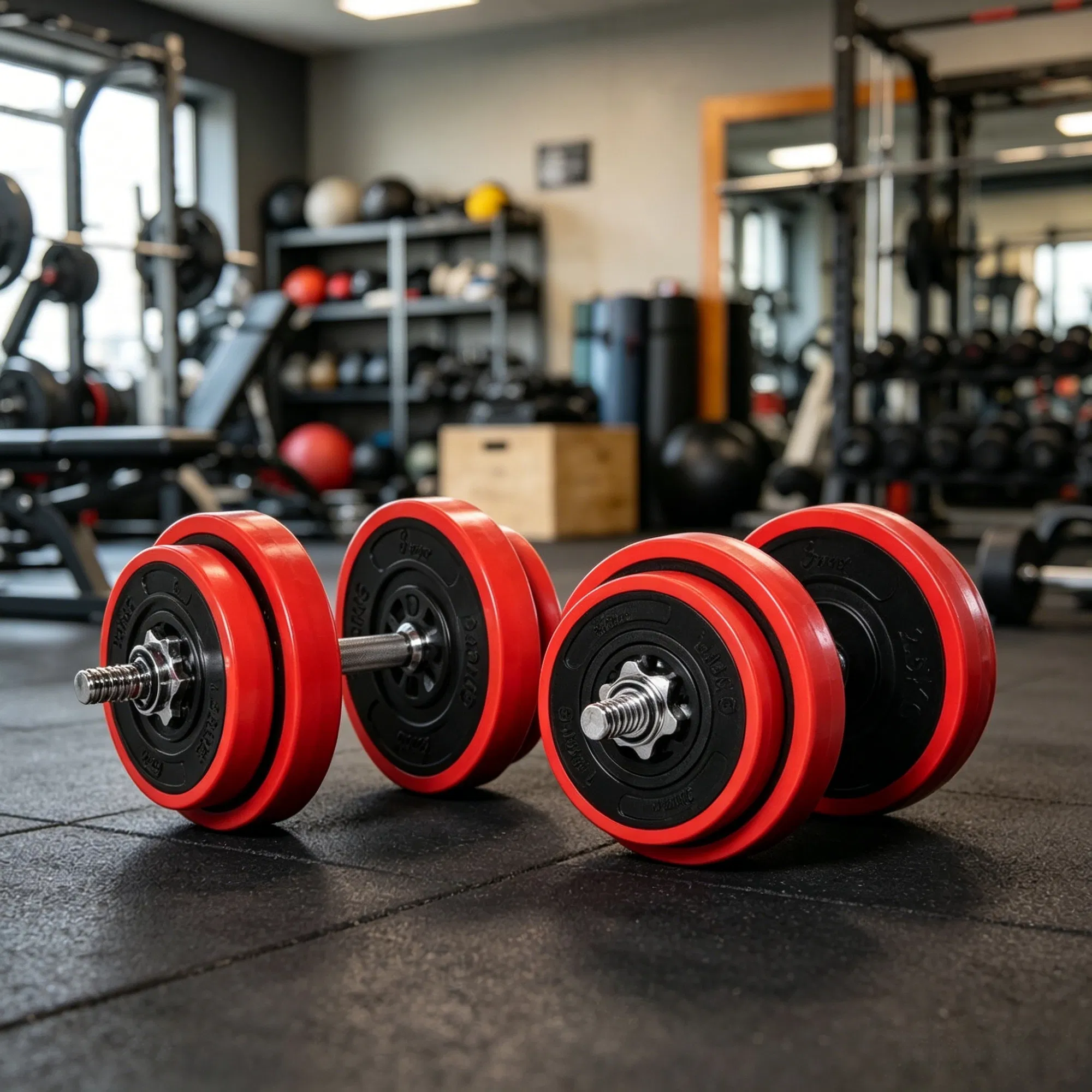 44lbs Adjustable Convertible Dumbbell Barbell Set: All-in-One Home Gym Weight Training Equipment for Adults$104.99View on Mallflare
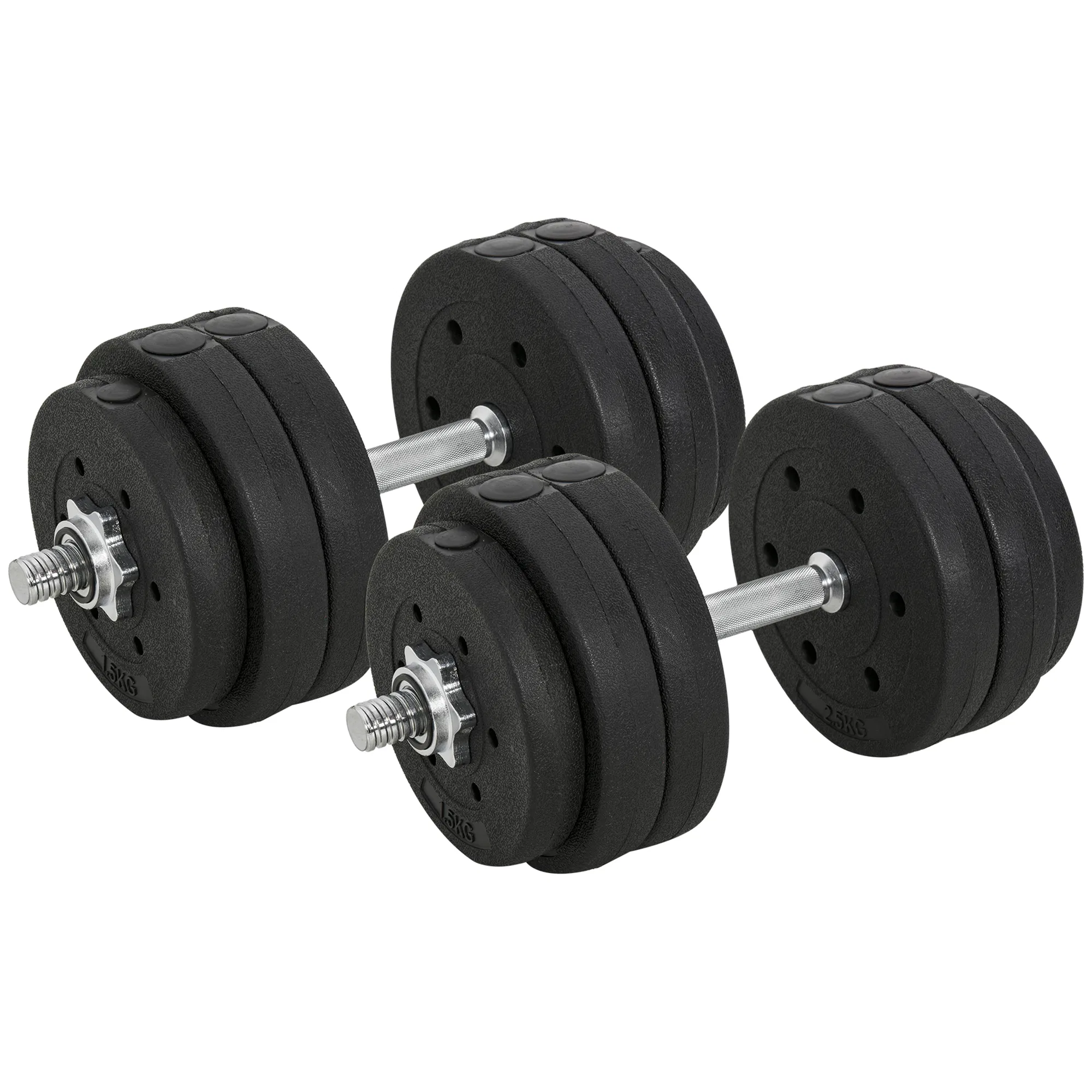 66 lbs Adjustable Dumbbells Weight Set Dumbbell Hand Barbell for Body Fitness Lifting Training for Home Office Gym, Black$123.99View on Mallflare
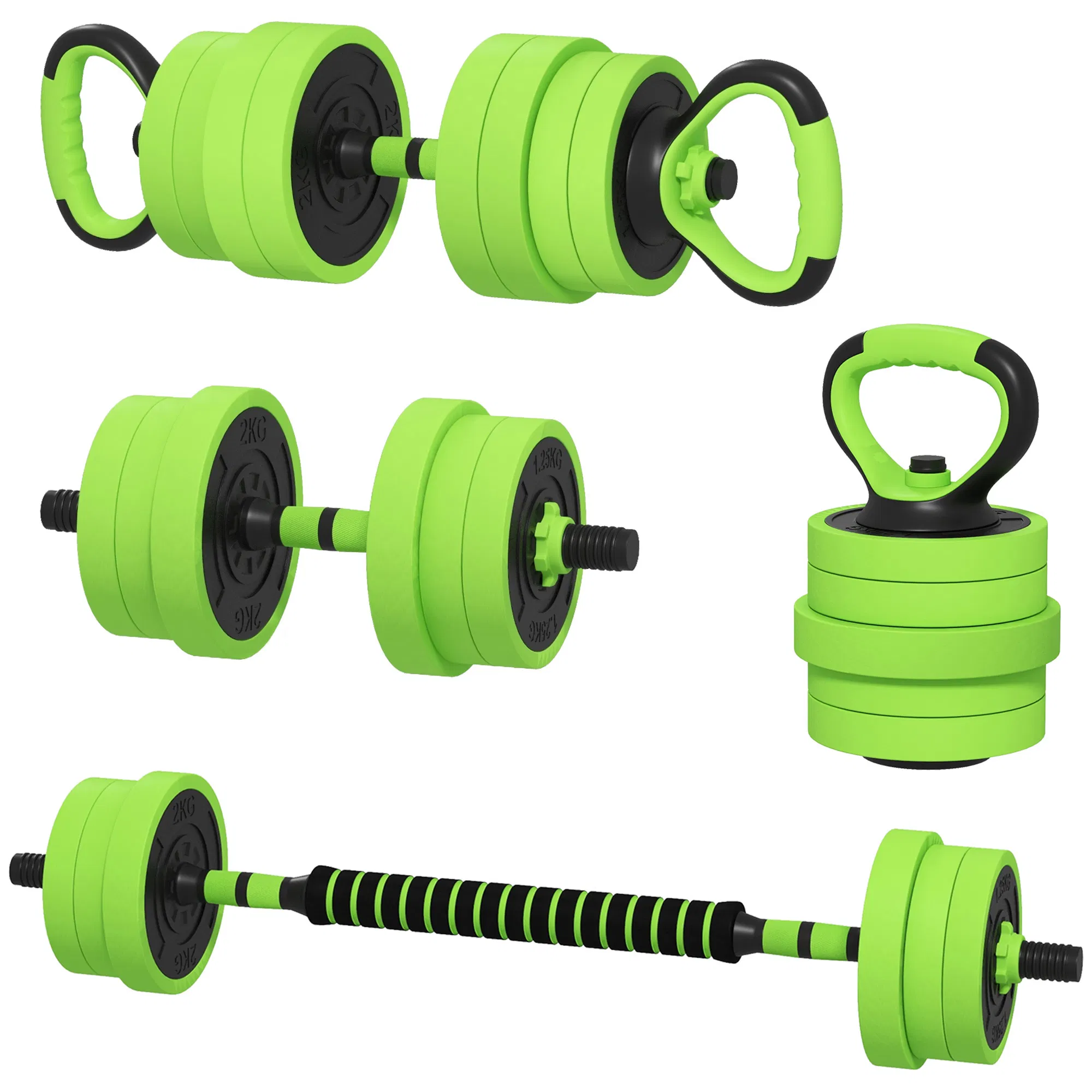 44lbs 4-in-1 Adjustable Weight Dumbbell Set, Barbell, Kettlebell, Push Up Stand, Green$136.99View on Mallflare
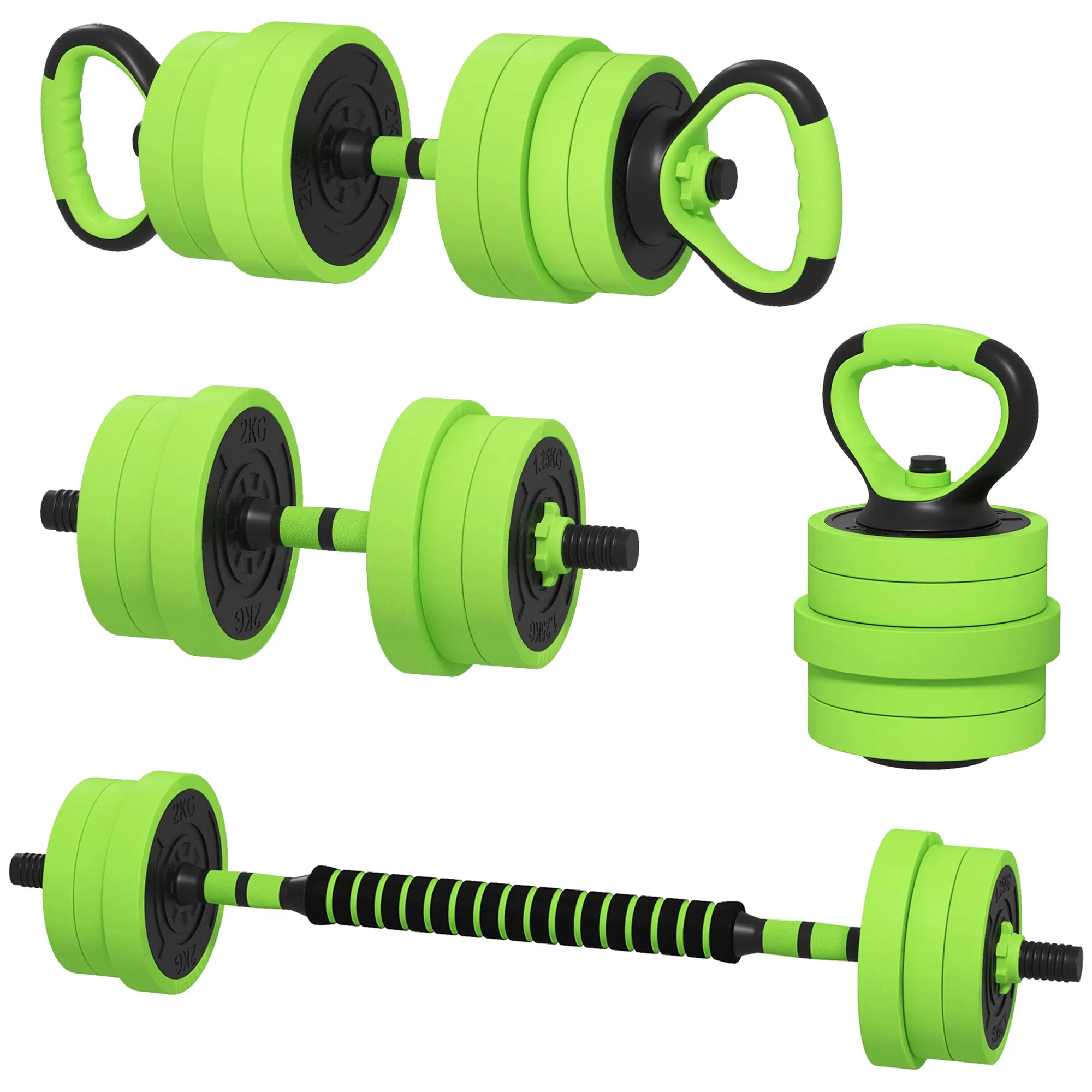 88lbs 4-in-1 Adjustable Weight Dumbbell Set, Barbell, Kettlebell, Push Up Stand, Green$190.99View on Mallflare
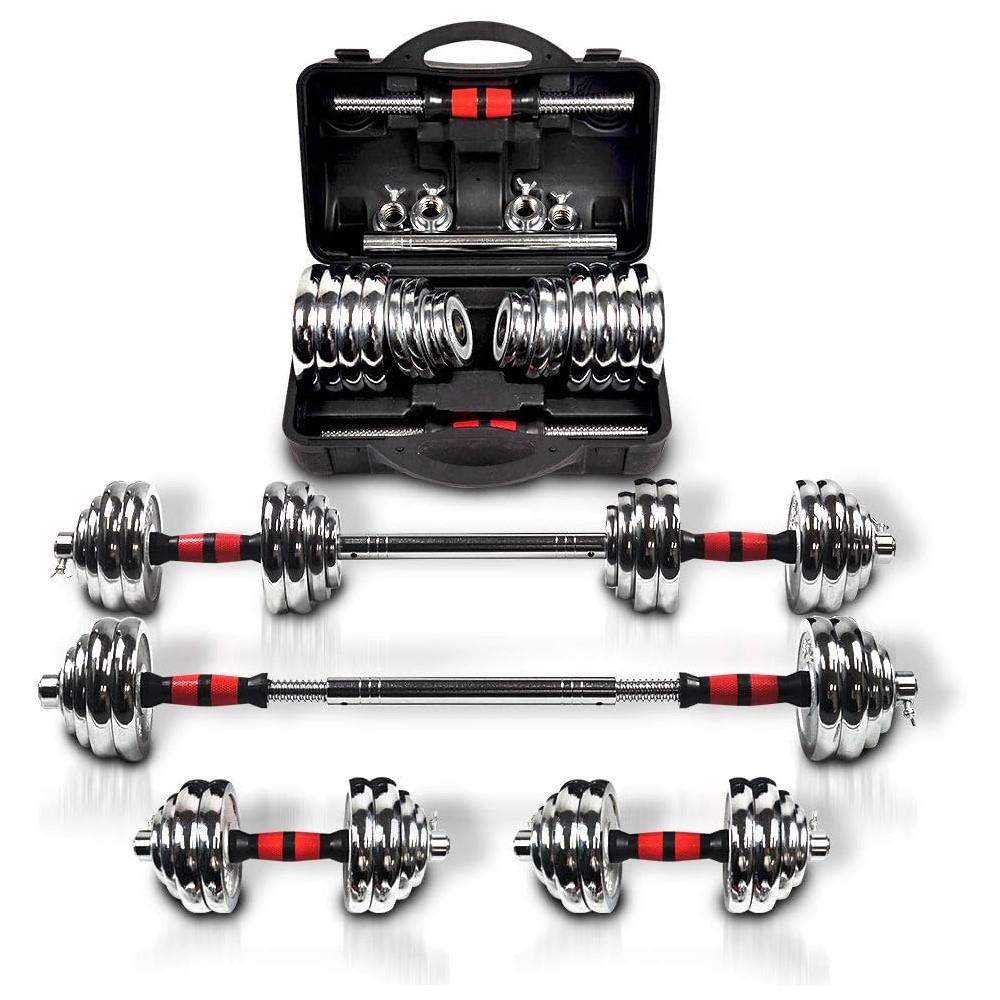 Adjustable Dumbbell Set With 3 in 1 Barbell Metal Connecting Rod, Chromed Weights, Hardcover Gift Box, Weight Sets up to 44lbs, Home Gym Exercise Training Equipment$212.99View on Mallflare
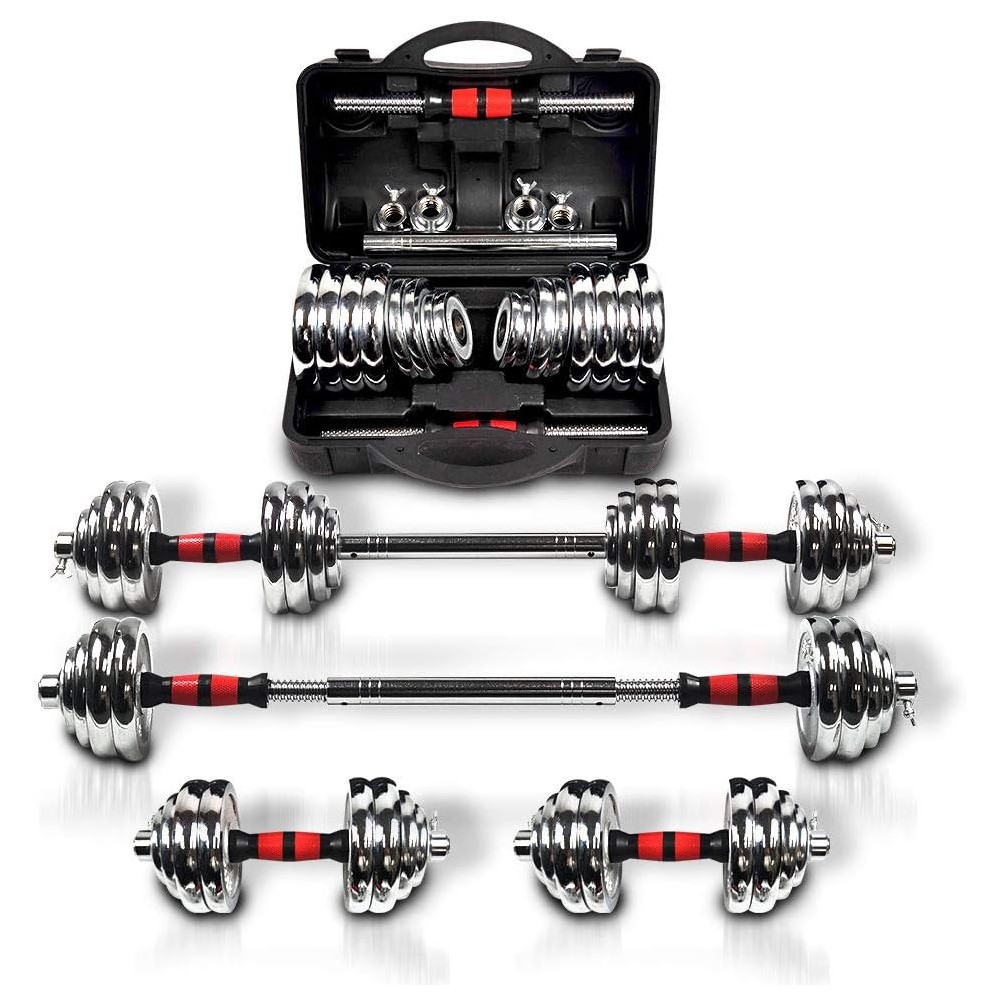 Adjustable Dumbbell Set With 3 in 1 Barbell Metal Connecting Rod, Chromed Weights, Hardcover Gift Box, Weight Sets up to 66lbs, Home Gym Exercise Training Equipment$258.99View on Mallflare
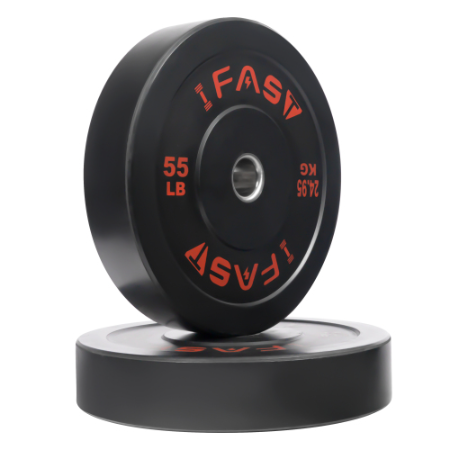 Olympic Bumper Weight Plates, Rubber Plate With 2-Inch Steel Insert Rubberized Weightlifting Barbell 55LB, Pairs Or Sets$282.99View on Mallflare
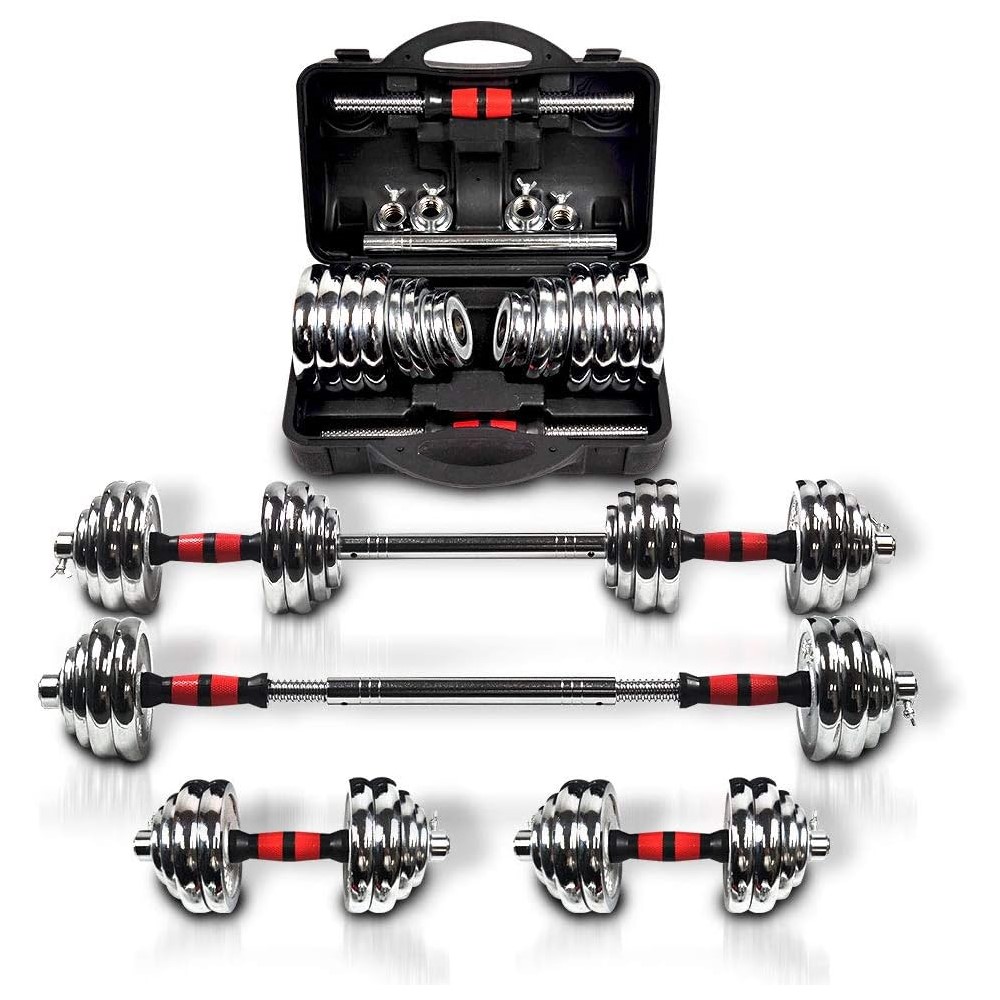 Adjustable Dumbbell Set With 3 in 1 Barbell Metal Connecting Rod, Chromed Weights, Hardcover Gift Box, Weight Sets up to 110lbs, Home Gym Exercise Training Equipment$404.99View on Mallflare
Highlights
- Sleeve diameter is the master compatibility spec: 1-inch (25 mm) standard bars take only 1-inch plates, while 2-inch Olympic bars need 2-inch plates with a 50 mm center hole.
- Convertible dumbbell-to-barbell sets join two handles with a threaded connector; the connector is the weak link and should be steel, not plastic, at loads above roughly 45 lb total.
- Plate construction drives durability: cast iron with enamel or rubber coating resists chipping, while sand-and-plastic-filled plates deform and lose calibration after repeated drops.
- Bar steel grade and tensile rating set the real load ceiling; a 1-inch home bar is typically limited to about 100-150 lb total, whereas a 2-inch Olympic bar handles 300-700+ lb depending on grade.
Best use cases
- Best fit: a beginner in a small apartment doing curls, rows, and presses under 100 lb — choose a 1-inch convertible set with cast-iron plates and steel spin collars. Skip 2-inch Olympic kits, which are oversized and overbuilt for that load.
- Best fit: a dedicated home lifter progressing past 150 lb on squats and deadlifts — buy a 2-inch Olympic bar plus separate 2-inch plates in pairs, and skip all-in-one connector sets that cap out early.
- Wrong fit: anyone planning to drop the bar or perform Olympic lifts — plastic or sand-filled plate sets and thin 1-inch bars will bend or crack; use a 2-inch Olympic bar with bumper plates on a platform instead.
- Best fit: shared household use by two lifters of different strengths — choose an adjustable set with 2.5 lb incremental plates and quick-change collars, and skip fixed-weight dumbbell pairs that duplicate rack space.
Buying tips
- Measure your plate hole before buying: 1-inch bars accept only 1-inch plates, and 2-inch Olympic bars require 2-inch plates — mixing standards is physically impossible without adapters.
- Size the set to your working weight, not the advertised max: add bar weight plus the heaviest plate pair, then keep at least 20 percent headroom for progression.
- For convertible sets, confirm the connector is threaded steel and the collars are spin-lock or clamp style; plastic push-button collars slip under load and are the first failure point.
- Prefer cast-iron or rubber-coated plates over sand-and-plastic shells; iron holds calibration and resists chipping, while filled plastic plates crack at the seam and vary in actual weight.
Specs
| Sleeve Standard | 1-inch (25 mm) vs 2-inch Olympic (50 mm) |
|---|---|
| Plate Material | Cast iron / rubber-coated vs sand-filled plastic |
| Bar Load Ceiling | 1-inch ~100-150 lb; Olympic 300-700+ lb |
| Connector Type | Steel threaded / spin-lock vs plastic push-button |
Related searches
What to check before buying
- Confirm ceiling height and room footprint: a 5-6 ft barbell needs about 7 ft of clear width plus plate loading space, and overhead presses require roughly 7.5 ft of ceiling clearance.
- Check floor load and surface: cast-iron plates on hardwood or tile need a rubber mat at least 0.5 inch thick, while carpet requires a rigid plywood base under the mat.
- Verify the bar sleeve length fits your plate count: a 1-inch bar with 8-10 inch sleeves maxes out around 4-5 plates per side, so plan for longer sleeves if you load heavy.
- Confirm collar and connector spares are standard sizes (1-inch or 2-inch) so replacement collars and additional plates remain compatible as your set grows.
FAQ
Data sources: eBay / Amazon listings and product attribute feeds Data updated Nov 17, 2026.
Some links on this page are affiliate links. If you buy after clicking one, we may earn a commission at no extra cost to you. This does not change which products appear here or their order. Affiliate disclosure.