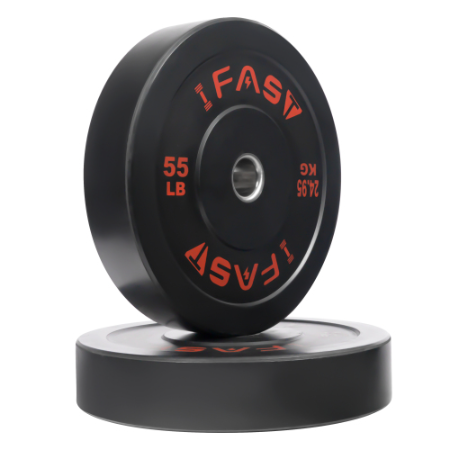

Photos from current listings. Actual item, color, and included accessories may vary.
Olympic Weight Set Buying Guide
An Olympic weight set combines a 2-inch (50mm) sleeved barbell with plates sized for that sleeve, and the critical trade-off is plate construction—cast iron, rubber-coated, or full bumper—which determines bounce, noise, floor protection, and longevity. Durable sets use 2-inch steel inserts that stay tight in rubber plates and a barbell rated for the load with a real tensile strength, while compromises show up as loose inserts that spin or pull out and thin chrome that flakes. Decide by lift type and floor: bumper plates for Olympic lifts and garage floors, iron or rubber-coated for powerlifting and platforms.


At a glance
- Category
- Barbells, Plates & Dumbbells
- Data updated
- Nov 17, 2026
Current offers
Highlights
- Sleeve diameter is the defining standard: true Olympic plates and bars use 2-inch (50.8mm) sleeves; 1-inch standard sets are a different, lighter ecosystem and plates are not cross-compatible.
- Bumper plates are solid rubber or polyurethane with a steel insert and are rated to be dropped; iron and rubber-coated iron plates are not designed for dropping and will crack, chip, or damage flooring.
- Barbell tensile strength separates tiers: entry bars run around 130,000–150,000 PSI, mid bars 160,000–190,000, and premium bars 190,000+ PSI; higher tensile resists permanent bend under repeated loading.
- Insert quality is the most common failure point in budget rubber plates—loose or spun steel inserts cause wobble and eventual separation, while quality inserts are bonded or molded in and stay concentric.
Best use cases
- Choose full bumper plates plus a 28mm whip-friendly bar if you do snatches, cleans, or deadlifts and will drop the bar—this is the only safe configuration for Olympic lifting and protects garage floors.
- Choose rubber-coated iron plates for general strength training and home gyms where you set weights down under control; skip full bumpers if you never drop and want thinner plates to load more weight on the bar.
- Choose bare cast iron plates only for powerlifting-style lifts on a proper platform where cost per pound matters most; skip them for any Olympic lifting or unprotected flooring due to chipping and floor damage.
- Skip 1-inch standard sets entirely for barbell training; they cap out at low loads, use different plates, and are only appropriate for light dumbbell-handle work, not squats or Olympic lifts.
Buying tips
- Size the set to your current lifts, not your goal: a 300 lb set (often a 45 lb bar plus 255 lb of plates) covers most beginner-to-intermediate lifters; add plates in pairs since barbells load symmetrically.
- Match plate diameter for deadlifts and Olympic lifts: bumper plates are standardized near 450mm (about 17.7 inches) so the bar starts at the correct height; mixed-diameter iron sets change pulling mechanics.
- Check barbell sleeve length and loadable sleeve length against your total plate stack—budget bars with short sleeves run out of room before you reach the set's rated total.
- Confirm the bar's rated capacity exceeds your heaviest planned lift with margin; budget 300 lb-class bars are commonly rated around 300–500 lb, so a 300 lb set leaves little headroom for progression.
Specs
| Sleeve Diameter | 2 in (50.8mm) Olympic standard |
|---|---|
| Plate Type | Bumper / Rubber-coated iron / Cast iron |
| Bar Tensile Strength | 130k–190k+ PSI by tier |
| Set Total Weight | Commonly 300 lb bar + plates |
Related searches
What to check before buying
- Measure your floor and ceiling: a 7 ft (2.13m) Olympic bar needs roughly 8 ft of width for loading plus clearance; basement gyms often fail on ceiling height for overhead lifts.
- Verify your platform or flooring: bumper plates need a rubber or plywood platform; bare iron on tile, concrete, or hardwood will chip plates and crack flooring.
- Check that your rack, bench, and collars are 2-inch compatible—Olympic bars require 2-inch collars and rack j-cups sized for a 50mm sleeve, not 1-inch standard bars.
- Plan storage: a 300 lb set of plates plus a bar needs a vertical plate tree or wall rack rated for the total weight, and bumper plates store better on a tree than stacked flat.
FAQ
Data sources: eBay / Amazon listings and product attribute feeds Data updated Nov 17, 2026.
Some links on this page are affiliate links. If you buy after clicking one, we may earn a commission at no extra cost to you. This does not change which products appear here or their order. Affiliate disclosure.