Photos from current listings. Actual item, color, and included accessories may vary.
Weight Lifting Set Buying Guide
A weight lifting set bundles a bar, plates, and collars (or adjustable dumbbells that convert to a barbell) into one purchase, and the core trade-off is load capacity and plate material versus footprint and adjustment speed. Durable sets use cast-iron or steel plates with a rated bar and secure collars, while compromise sets use sand/plastic-filled plates with low tolerances. Buy a cast-iron or steel set rated above your working weight if you train heavy; choose a compact adjustable set only if space and quick changes matter more than maximum load.


At a glance
- Category
- Barbells, Plates & Dumbbells
- Data updated
- Nov 16, 2026
Current offers
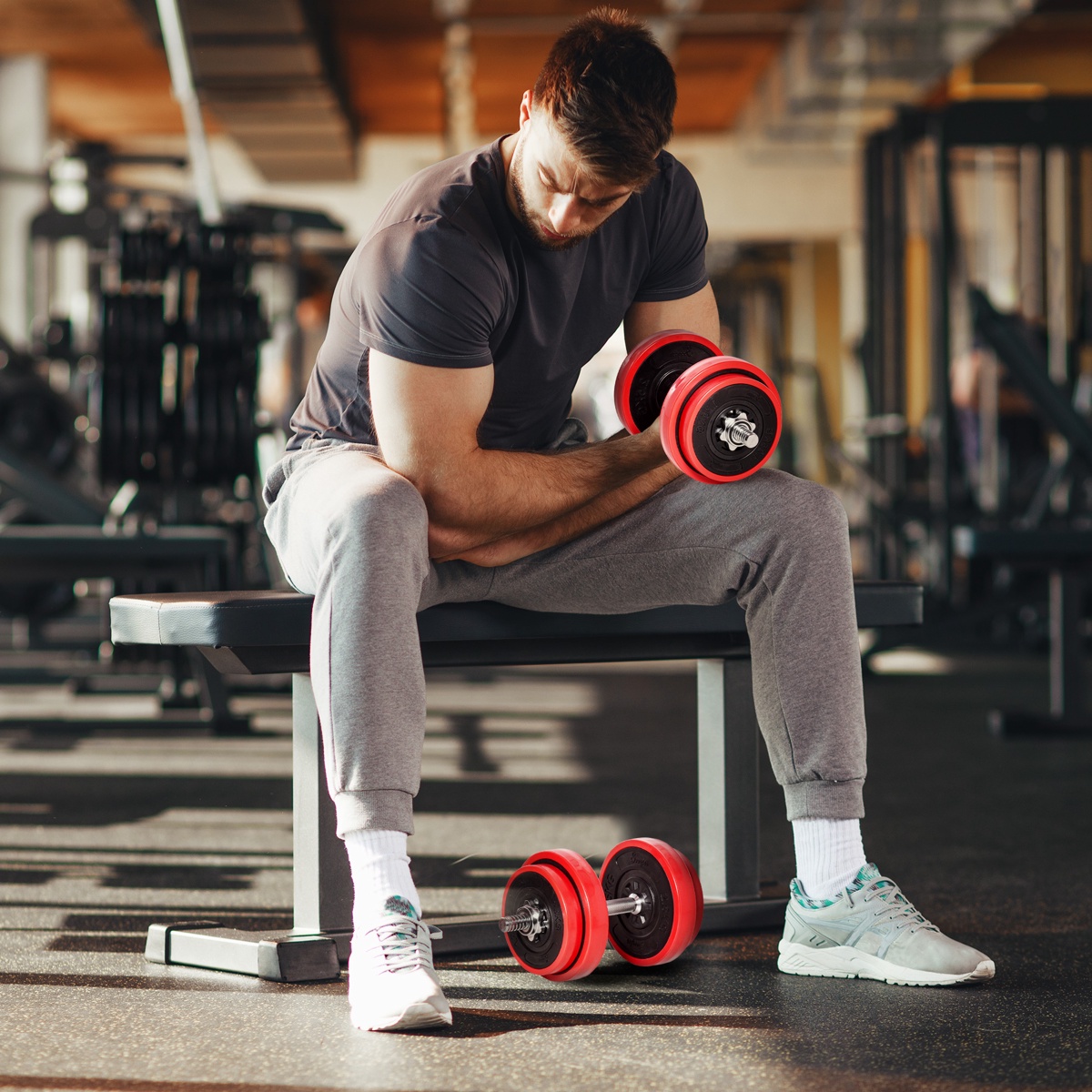 Adjustable Dumbbell Set, 44lbs Convertible to Barbell Weight Set for Home Gym Women and Men Lifting Training$57.99
 View on Mallflare
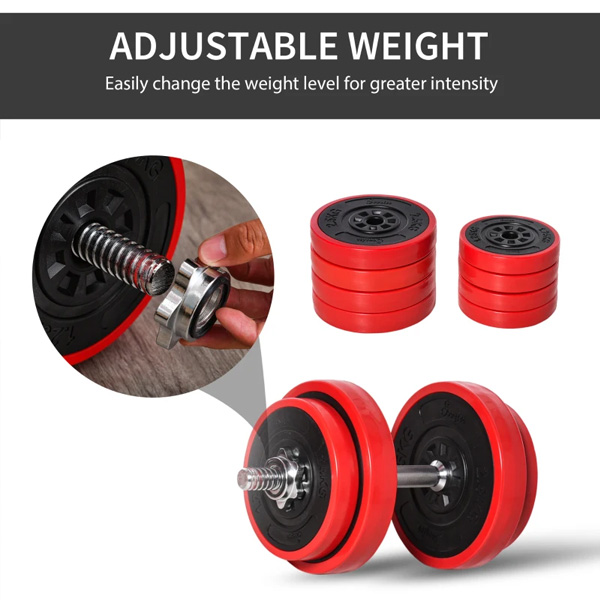 Adjustable Dumbbell Set, 44lbs Convertible To Barbell Weight Set Made With Metal Sand And Plastic For Home Gym Women And Men Lifting Training$89.99View on Mallflare
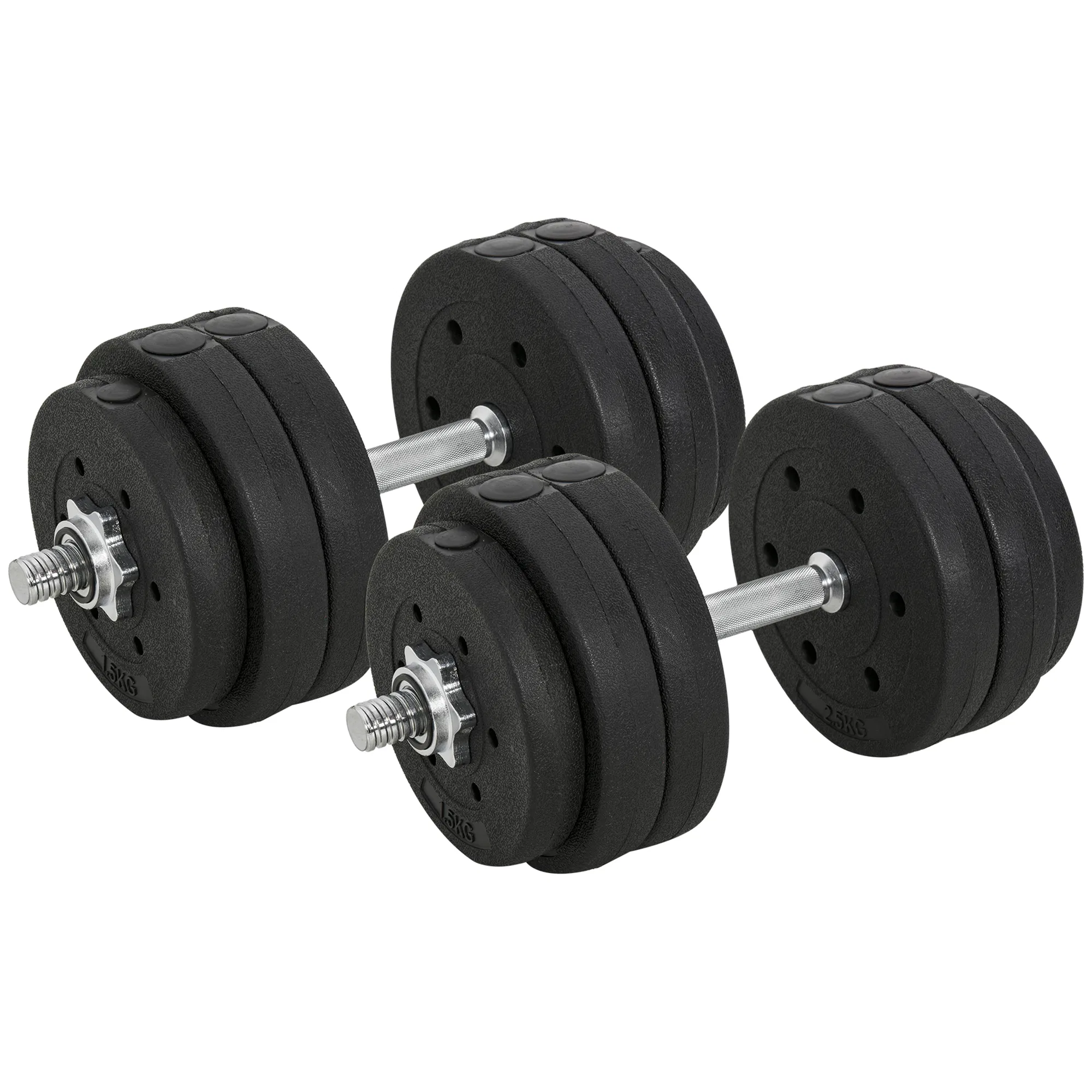 66 lbs Adjustable Dumbbells Weight Set Dumbbell Hand Barbell for Body Fitness Lifting Training for Home Office Gym, Black$123.99View on Mallflare
Highlights
- Plate material drives durability: cast iron or steel plates resist cracking and hold tolerance; sand-and-plastic-filled plates are lighter-duty and prone to deformation under repeated drops.
- Bar rating is the real ceiling: standard 1-inch bars typically rate around 100–250 lb, while 2-inch Olympic bars rate 300–1,000+ lb depending on tensile strength.
- Adjustable dumbbell-to-barbell sets trade max load for footprint — a 44 lb total set caps each side well below serious strength work.
- Collar type matters: spin-lock collars stay tight under vibration, while spring or clamp collars are faster but can slip on smooth sleeves.
Best use cases
- Best fit: light-to-moderate home training in a small space — pick a convertible adjustable set with spin-lock collars and cast-iron plates.
- Best fit: heavy compound lifting (squat, deadlift, bench) — choose a 2-inch Olympic bar and cast-iron bumper or steel plates rated well above your top set.
- Wrong fit: dropping or Olympic-style lifting with sand/plastic-filled plates — skip these and buy rubber bumper plates with an Olympic bar.
- Wrong fit: expecting a 44 lb convertible set to replace a full barbell — skip it if your working weight exceeds roughly 40 lb per hand.
Buying tips
- Match bar sleeve diameter to plate hole: 1-inch bars need 1-inch plates; 2-inch Olympic bars need 2-inch plates — never mix without adapter sleeves.
- Size total load to your goal: add bar weight plus plates and leave 20–30% headroom above your heaviest planned set for safety and progression.
- Choose cast-iron or steel plates over sand/plastic-filled for anything beyond light toning; plastic-filled plates deform and lose accuracy.
- Prefer spin-lock or compression collars over spring clips for adjustable sets — they resist loosening during repeated sets.
Specs
| Plate Material | Cast iron / steel vs sand-plastic fill |
|---|---|
| Bar Sleeve Diameter | 1-inch standard vs 2-inch Olympic |
| Max Load Rating | 100–250 lb standard / 300–1,000+ lb Olympic |
| Collar Type | Spin-lock vs spring clip vs clamp |
Related searches
What to check before buying
- Measure your room and ceiling: a 7 ft Olympic bar needs roughly 8.5 ft of clear width and overhead clearance for presses.
- Check floor type: cast-iron plates need rubber mats or a platform; bumper plates are required for dropping on concrete or wood.
- Confirm your rack or bench compatibility: bar sleeve diameter and j-cup width must match your 1-inch or 2-inch setup.
- Verify plate hole size and collar fit before buying — mismatched plates and collars are the most common return reason.
FAQ
Data sources: eBay / Amazon listings and product attribute feeds Data updated Nov 16, 2026.
Some links on this page are affiliate links. If you buy after clicking one, we may earn a commission at no extra cost to you. This does not change which products appear here or their order. Affiliate disclosure.