Photos from current listings. Actual item, color, and included accessories may vary.
Fitness Smartwatch Buying Guide
A fitness smartwatch combines continuous heart-rate and activity tracking with phone notifications, typically in a plastic or aluminum case. The core trade-off is sensor accuracy and water resistance versus battery life and price tier. Choose a model with an optical PPG sensor rated for 5 ATM and dual-band GPS if you train seriously; compromise-tier watches drop GPS or waterproofing.

At a glance
- Category
- Smartwatches & Fitness Wearables
- Data updated
- Nov 16, 2026
Current offers
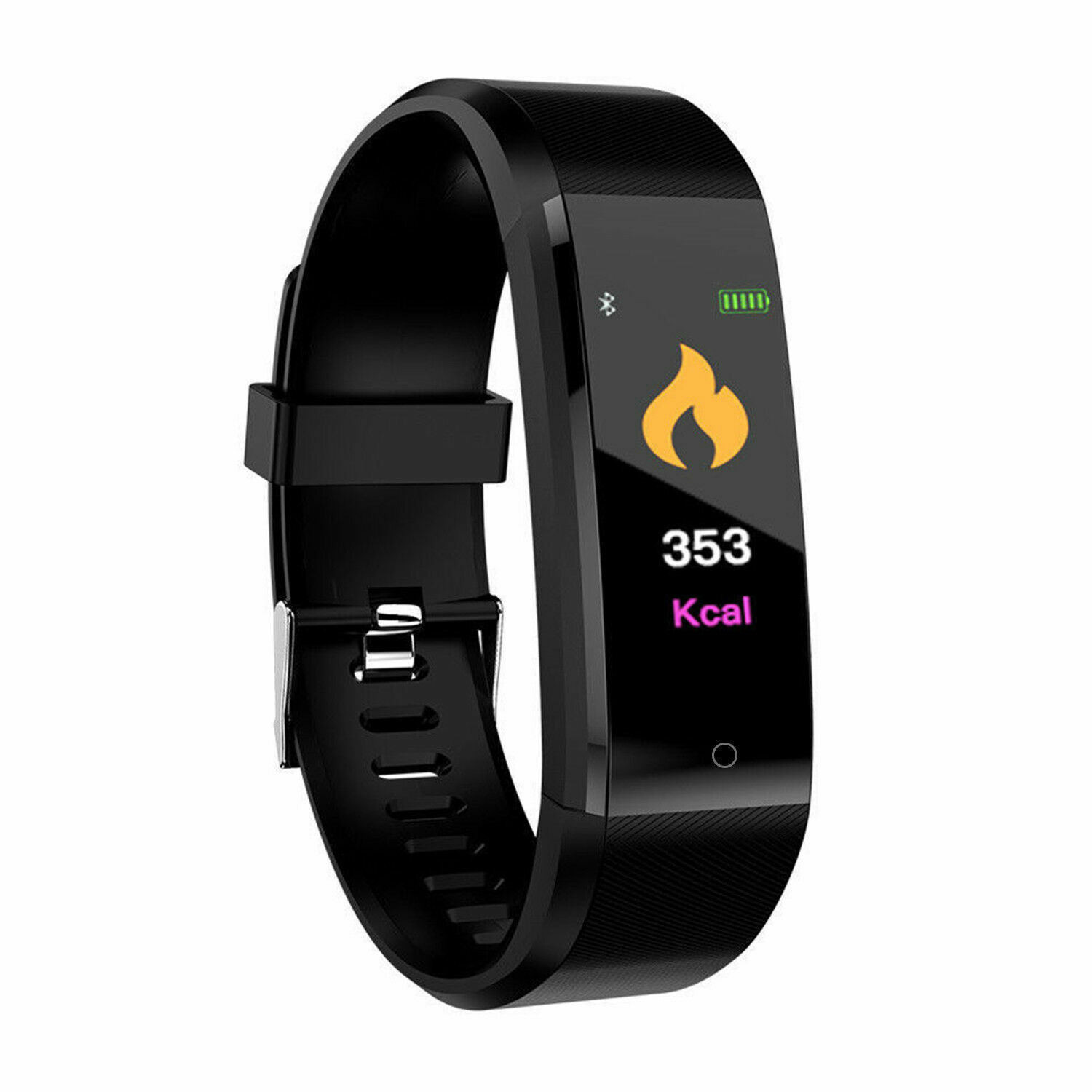 USA Sports Fitness Tracker Watch Heart Rate Blood Pleasure Activity Monitor Lot$314.49
 View on eBay
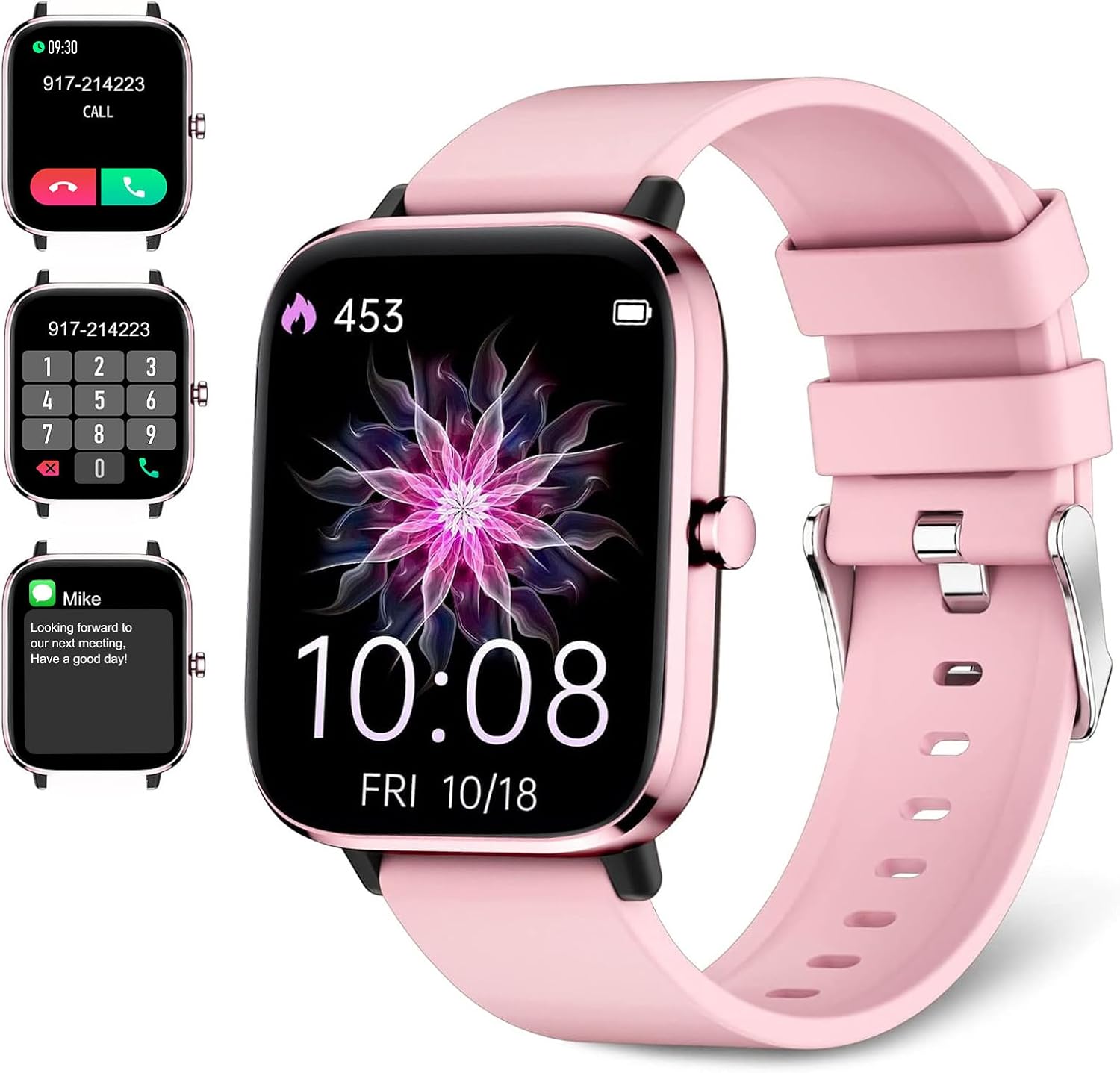 New Smartwatches Now On Sale, Featuring Message Alerts, Call Answering, Health Monitoring, Activity Tracking, Notification Reminders, And Fitness Functions.Not Waterproof$19.99
 View on Mallflare
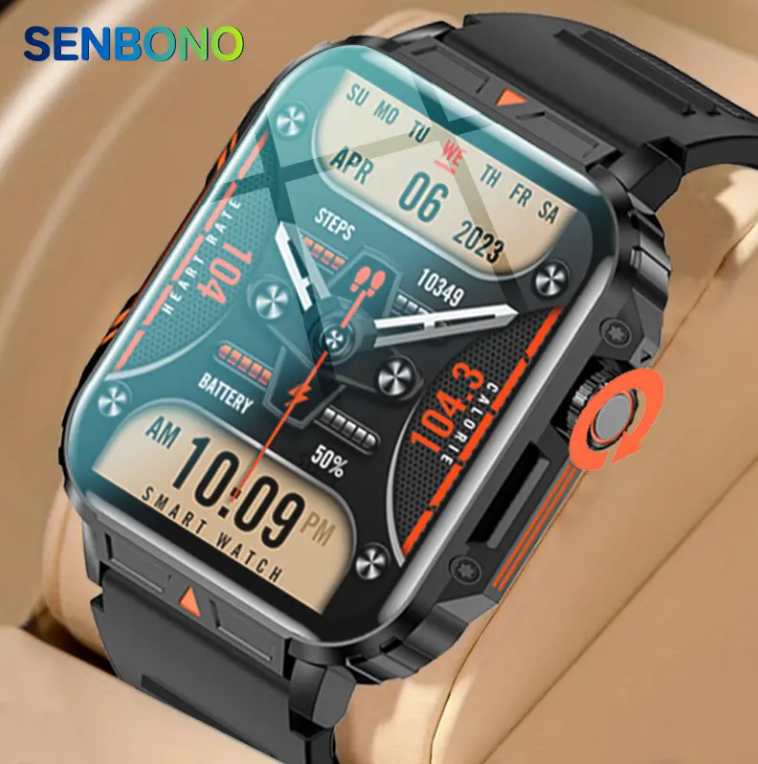 L81 Outdoor Sports Square Smartwatch Answer Call Big Battery Fitness Tracker Waterproof Men For IOS Android$41.99View on Mallflare
Highlights
- Optical heart-rate accuracy depends on PPG sensor generation: single-LED plastic-backed sensors drift during intervals, while multi-photodiode arrays with green+red LEDs hold steady.
- Water resistance ratings split tiers: IP67 survives splashes only, 5 ATM handles pool swimming, and 10 ATM supports open-water and high-impact water sports.
- GPS architecture separates serious fitness watches from step-trackers: built-in GNSS with GLONASS/Galileo support enables pace and route tracking without a phone.
- Battery life scales inversely with display and GPS use: AMOLED always-on models last 1-3 days, while transflective MIP displays stretch to 2-3 weeks in smartwatch mode.
Best use cases
- Best fit: runners and cyclists should pick a watch with built-in multi-constellation GPS and 5 ATM rating; skip plastic IP67 models with phone-tethered GPS.
- Best fit: gym and HIIT users need a continuous optical HR sensor with interval alerts and 3+ day battery; a transflective display is sufficient and saves power.
- Best fit: swimmers require 5 ATM minimum plus pool lap tracking; wrong fit: IP67 'not waterproof' watches marketed for outdoor sports.
- Best fit: casual step and sleep trackers can use lightweight plastic cases with 7-day battery; skip paying for GPS or 10 ATM if you never train outdoors.
Buying tips
- Check the water rating printed on the caseback: 5 ATM equals 50 m static pressure and is the minimum for swimming; IP67 is splash-only and fails in pools.
- Confirm GPS is built into the watch, not 'connected GPS' that relies on your phone; standalone GNSS chips from Sony, MediaTek, or Broadcom track pace accurately.
- Match battery capacity in mAh to your routine: 300 mAh with AMOLED yields about 2-3 days, while 400+ mAh with a low-power display reaches 14 days.
- Verify heart-rate sensor type: a multi-LED PPG array with green and red LEDs handles dark skin tones and high-intensity intervals better than single-LED units.
Specs
| Water Resistance | IP67 splash / 5 ATM swim / 10 ATM dive |
|---|---|
| GPS Type | Connected phone vs built-in GNSS |
| HR Sensor | Single-LED vs multi-LED PPG array |
| Display & Battery | AMOLED 1-3 days / MIP 7-14 days |
Related searches
What to check before buying
- Measure your wrist circumference: 140-200 mm fits most 42-46 mm plastic cases; below 140 mm requires a 38-40 mm case to avoid a loose fit.
- Confirm your phone's OS version meets the companion app requirement, typically iOS 12+ or Android 6+ for Bluetooth 5.0 pairing.
- Check charging connector type (magnetic pogo vs micro-USB) and whether the cable is included; proprietary docks add replacement cost.
- Verify the watch band lug width, commonly 20 mm or 22 mm, if you plan to swap to a metal or nylon strap.
FAQ
Data sources: eBay / Amazon listings and product attribute feeds Data updated Nov 16, 2026.
Some links on this page are affiliate links. If you buy after clicking one, we may earn a commission at no extra cost to you. This does not change which products appear here or their order. Affiliate disclosure.