Photos from current listings. Actual item, color, and included accessories may vary.
Fitness Tracker Men Buying Guide
Fitness trackers for men span wrist-worn watches and screenless smart rings, with the core trade-off being sensor accuracy and battery life versus display convenience and form factor. Wrist wearables excel at real-time workout feedback and GPS, while rings prioritize 24/7 comfort and multi-day sleep/HRV tracking at the cost of on-device controls. The decision rule: choose a wrist tracker with at least 5 ATM water resistance and a 7-day real-use battery if you need workout guidance, or a ring with PPG+SpO2 sensors and a 5-7 day charge if you want passive health monitoring with minimal wrist clutter.


At a glance
- Category
- Smartwatches & Fitness Wearables
- Data updated
- Nov 18, 2026
Current offers
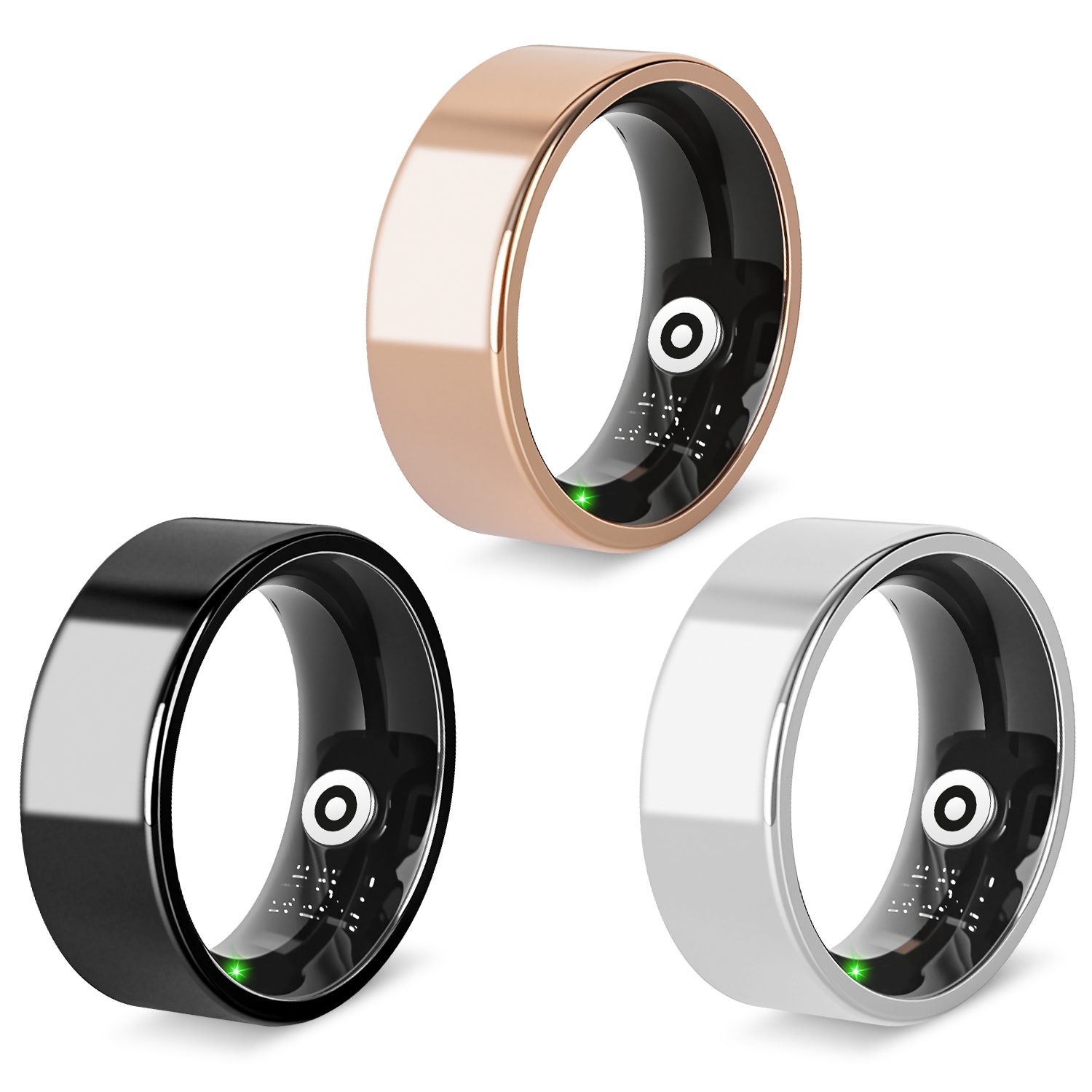 Smart Ring Health Tracker Fitness Sleep Stress HRV With Charging Case Magnetic Cable For Women & Men Compatible IOS & Android 7-Day Battery Life Size7 Size8 Size9 Size10$38.99
 View on Mallflare
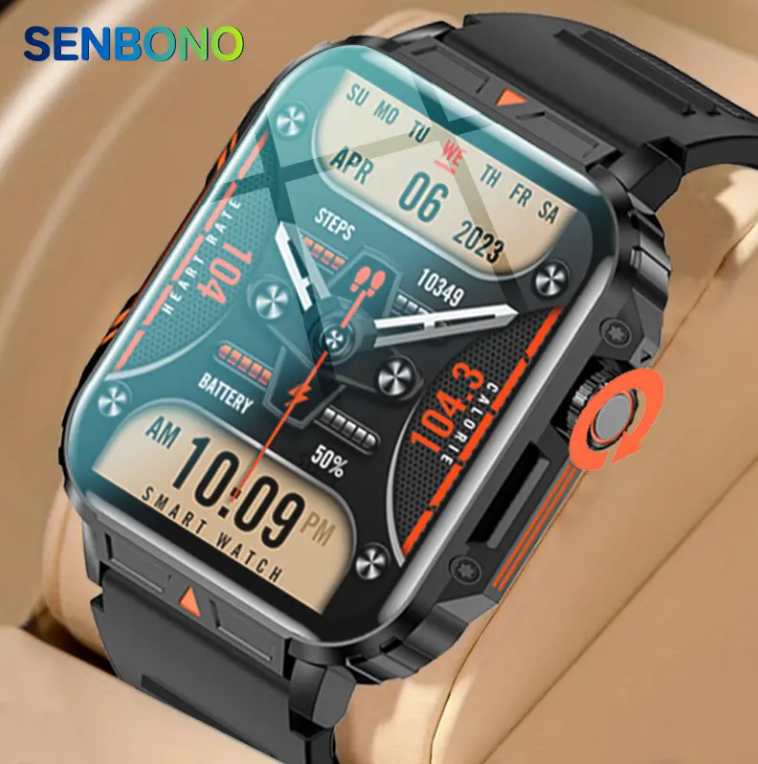 L81 Outdoor Sports Square Smartwatch Answer Call Big Battery Fitness Tracker Waterproof Men For IOS Android$41.99View on Mallflare
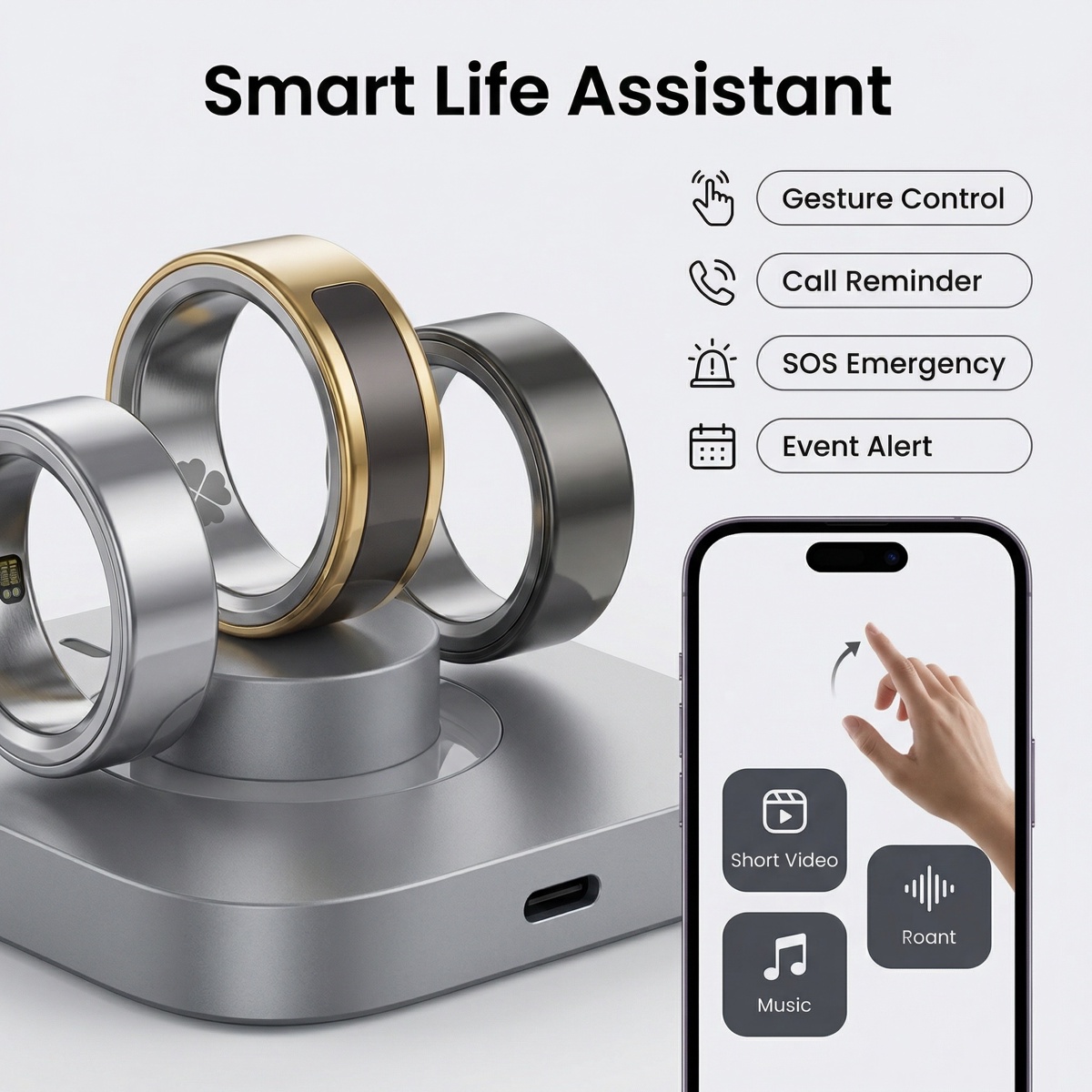 Smart Ring Health Tracker Fitness Heart Rate Blood Oxygen Sleep Monitor For Men Women$412.99View on Mallflare
Highlights
- Wrist trackers with 5 ATM (50m) water resistance survive swimming and showering; 3 ATM (30m) only handles splashes and rain.
- PPG heart-rate sensors require a snug skin fit; metal or plastic cases both work, but a compliant silicone or nylon strap prevents motion artifacts during running.
- Smart rings pack PPG, SpO2, and skin-temperature sensors into 2-3mm-thick shells, enabling overnight HRV and sleep-stage tracking without a display.
- GPS is exclusive to wrist watches; rings rely on phone GPS, so runners needing pace/distance without a phone must pick a watch with built-in GNSS.
Best use cases
- Best fit: pick a square-face wrist watch with built-in GPS, 5 ATM rating, and call-answer mic if you run outdoors and want pace, distance, and notifications on-wrist.
- Best fit: pick a smart ring if you prioritize all-day comfort, sleep and HRV tracking, and 5-7 day battery, and you always carry a phone for GPS during runs.
- Wrong fit: skip a 3 ATM plastic-band watch if you swim laps or shower frequently—water ingress will kill the sensor module within months.
- Wrong fit: skip a ring if you need on-device workout coaching, lap splits, or phone-free GPS; it has no screen and no standalone positioning.
Buying tips
- Match water rating to activity: 5 ATM minimum for swimming, 3 ATM only for casual wear and sweat.
- For rings, order the exact finger size using a multi-size sizer—sensors need firm contact, and a loose ring produces unreliable HRV and SpO2 data.
- Check strap standard: 20mm or 22mm quick-release lugs let you swap to nylon or leather; proprietary straps limit fit and durability.
- Prefer Bluetooth 5.0+ and dual-band 2.4/5GHz Wi-Fi for reliable sync; older Bluetooth 4.2 drops pairing with Android phones.
Specs
| Form Factor | Wrist watch vs screenless smart ring |
|---|---|
| Water Resistance | 3 ATM / 5 ATM / IP68 |
| Battery Life | 5-7 days (ring) / 7-14 days (watch) |
| Sensors | PPG HR, SpO2, skin temp, GPS (watch only) |
Related searches
What to check before buying
- Measure wrist circumference: 140-200mm fits most men's watch cases (40-46mm); a case over 46mm overwhelms wrists under 170mm.
- For rings, confirm finger size at room temperature—fingers swell in heat, so a ring that fits at night may bind during exercise.
- Verify your phone's OS: iOS 14+/Android 8+ covers current trackers; older phones lose app support and firmware updates.
- Check charging standard: magnetic pogo pins and USB-C cases are common; a proprietary cradle means you must carry the dock for travel.
FAQ
Data sources: eBay / Amazon listings and product attribute feeds Data updated Nov 18, 2026.
Some links on this page are affiliate links. If you buy after clicking one, we may earn a commission at no extra cost to you. This does not change which products appear here or their order. Affiliate disclosure.