Photos from current listings. Actual item, color, and included accessories may vary.
Smart Ring Buying Guide
Smart rings are compact, screenless health trackers worn on the finger that pack heart rate, SpO2, sleep staging, and HRV sensors into a titanium or plastic shell. The core trade-off is sensor accuracy and app depth versus size and battery life—premium rings use multi-wavelength PPG arrays and 5–7 day batteries, while budget rings often sacrifice continuous HRV or sleep accuracy. Choose a ring only if you want passive 24/7 tracking with minimal wrist clutter; pick a smartwatch instead if you need on-screen workouts, GPS, or notifications.

At a glance
- Category
- Smartwatches & Fitness Wearables
- Data updated
- Nov 18, 2026
Current offers
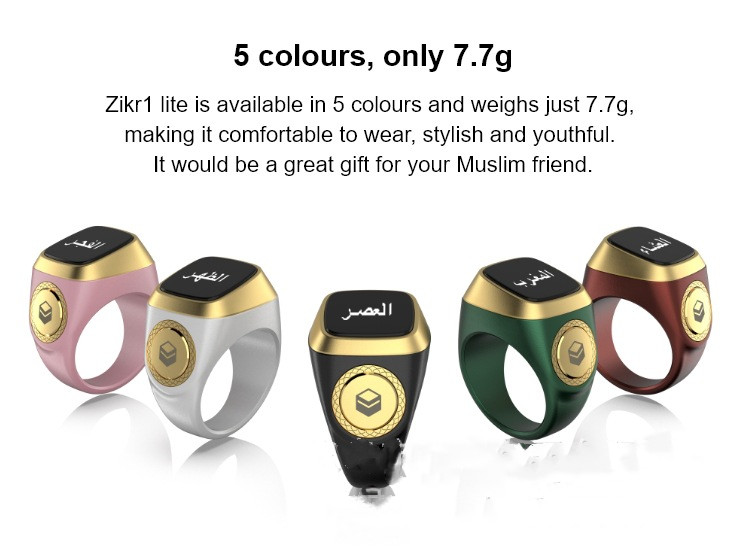 World's First Muslim Smart Ring With Tasbih Beads Function$28.99
 View on Mallflare
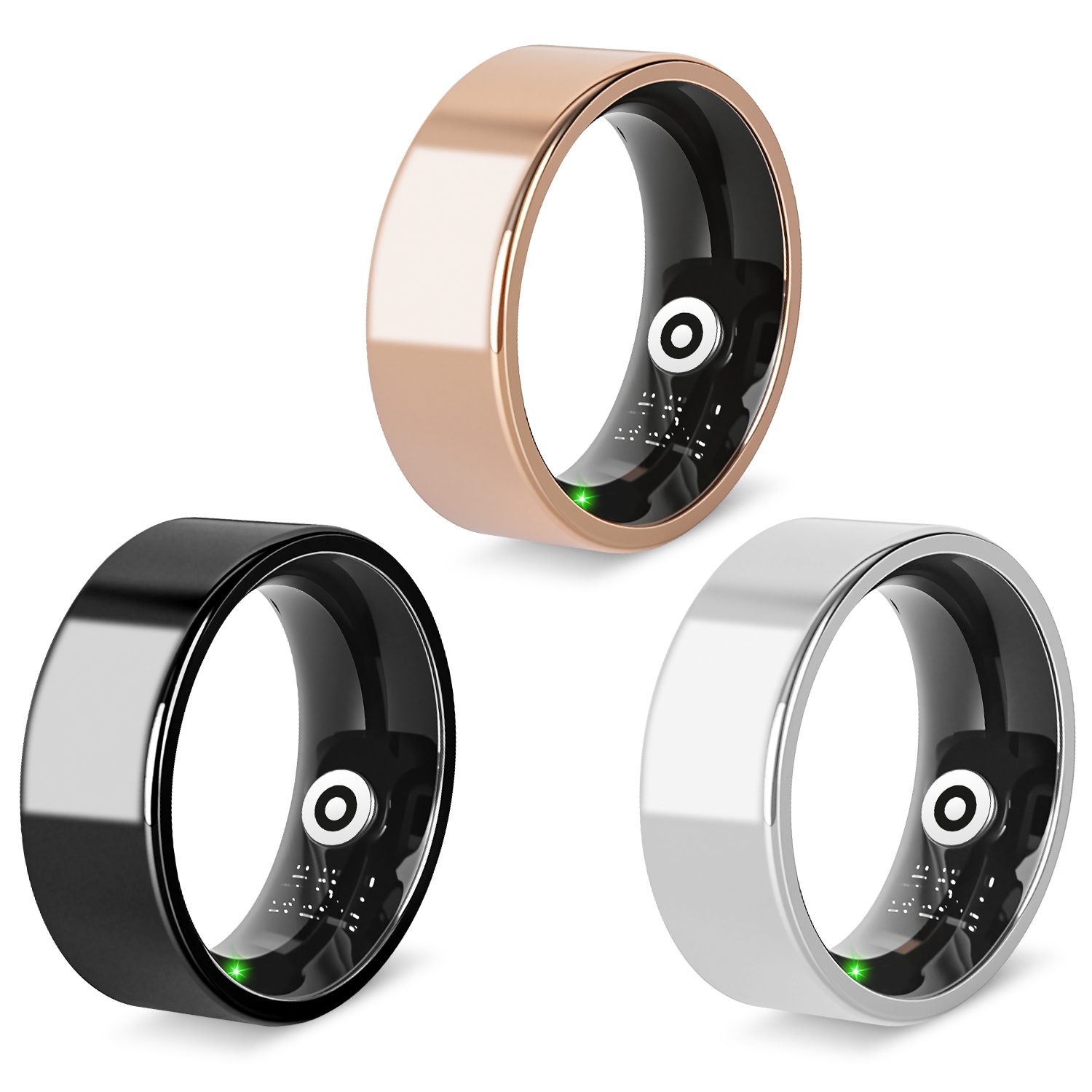 Smart Ring Health Tracker Fitness Sleep Stress HRV With Charging Case Magnetic Cable For Women & Men Compatible IOS & Android 7-Day Battery Life Size7 Size8 Size9 Size10$38.99View on Mallflare
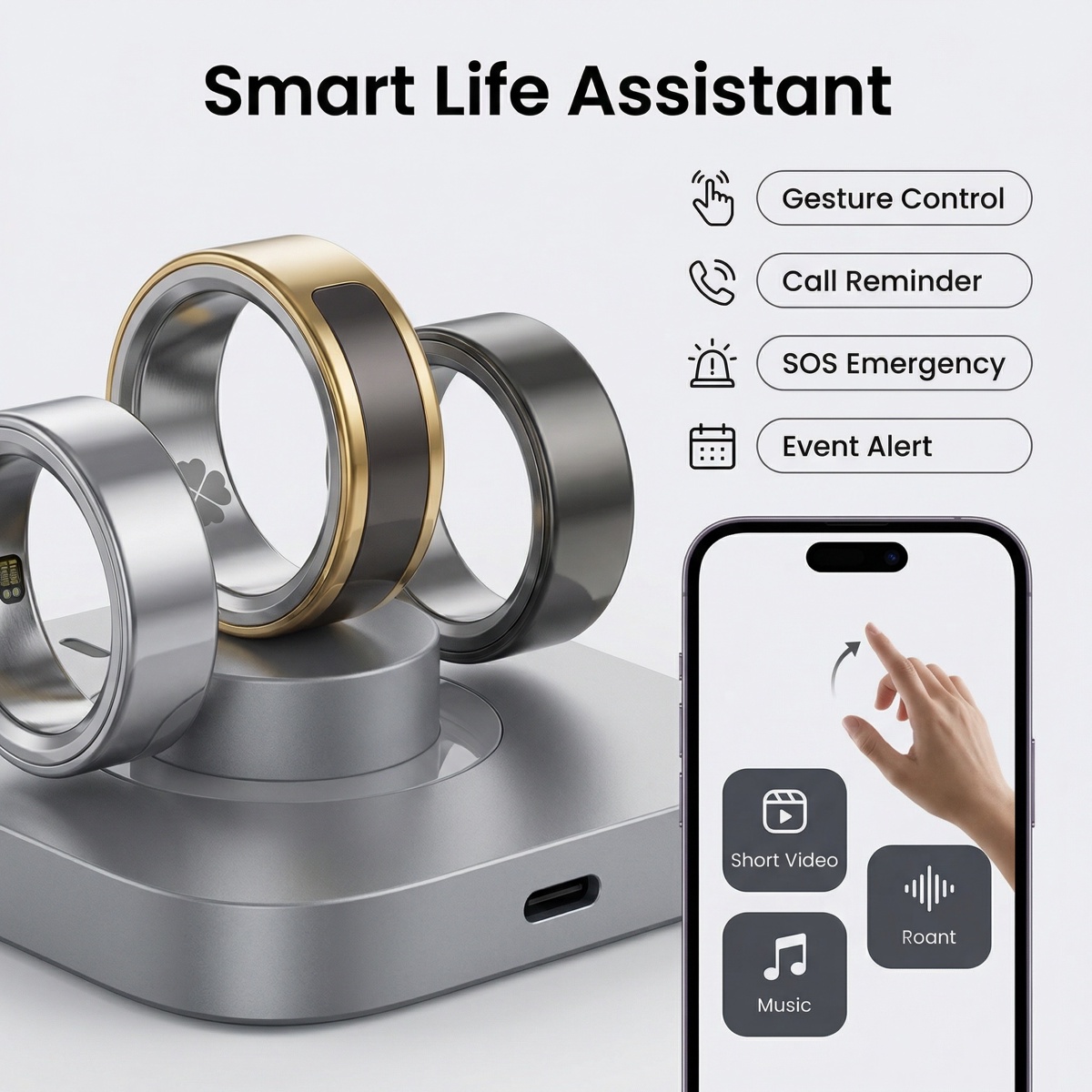 Smart Ring Health Tracker Fitness Heart Rate Blood Oxygen Sleep Monitor For Men Women$412.99View on Mallflare
Highlights
- Sensor architecture: premium rings use infrared + red + green PPG with dedicated HRV and temperature sensors; budget rings typically use single green LED PPG and derive HRV from pulse intervals.
- Material: titanium or zirconia inner shells resist scratches and skin irritation; plastic or coated resin shells wear faster and may trigger nickel allergies.
- Battery tier: 5–7 days with continuous heart rate and SpO2 is the premium baseline; 2–3 days is typical for compact budget rings, and charging cases add 1–2 full charges.
- Sizing: rings use US sizes 6–13 with 2–3 mm width differences; a finger-fit kit is mandatory because sensor contact and comfort depend on snugness.
Best use cases
- Best for sleep and recovery tracking: choose a ring with continuous HRV, skin temperature, and validated sleep staging—skip rings that only log steps and pulse.
- Best for iPhone users: pick a ring with native Apple Health sync and a polished iOS app; Android-first rings often have limited HealthKit export.
- Wrong fit: strength training, swimming with open-water GPS, or on-screen workout guidance—a GPS smartwatch is the correct tool.
- Best for budget buyers: a basic ring with 3–5 day battery, SpO2, and sleep tracking is fine if you accept coarser HRV and no temperature sensor.
Buying tips
- Order the sizing kit first: fingers fluctuate 1–2 sizes with temperature and time of day; the index finger usually gives the best sensor contact.
- Check app compatibility before buying: confirm iOS/Android support, HealthKit or Google Fit sync, and whether a subscription is required for insights.
- Prioritize continuous HRV and SpO2 over step counts; those are the metrics that separate useful recovery tracking from basic activity logging.
- Verify water resistance: 5 ATM or IP68 is the minimum for showering and swimming; 3 ATM is splash-only and unsuitable for pool use.
Specs
| Sensor Array | Multi-LED PPG + temp vs single green PPG |
|---|---|
| Battery Life | 5-7 days premium / 2-3 days budget |
| Shell Material | Titanium / zirconia vs plastic resin |
| Water Resistance | 5 ATM / IP68 vs 3 ATM splash-only |
Related searches
 best smart ringsmart rings for healthsmart ring for mensmart ring comparisonbest budget smart ringcheap smart ringtop smart ringssmart ring for iphonethe best smart ringsmart ring for fitnesssmart rings for fitnessbest smart ring for iphonebest smart ring for healthsmart rings for couplesbest smart ring for fitness tracking
What to check before buying
- Measure your dominant-hand index finger with the brand's sizing kit at room temperature; a ring that spins or pinches will produce bad readings.
- Confirm your phone's OS version and Bluetooth LE support—older Android phones may drop sync or lack full app features.
- Check the charging method: magnetic cable vs charging case affects travel convenience and replacement cost.
- Decide whether you need standalone GPS or phone-tethered GPS; rings do not provide built-in GPS, so runs require your phone.
FAQ
Data sources: eBay / Amazon listings and product attribute feeds Data updated Nov 18, 2026.
Some links on this page are affiliate links. If you buy after clicking one, we may earn a commission at no extra cost to you. This does not change which products appear here or their order. Affiliate disclosure.