Photos from current listings. Actual item, color, and included accessories may vary.
Fitness Tracker Ring Buying Guide
Fitness tracker rings are screenless wearables that pack optical heart-rate, SpO2, and temperature sensors into a titanium or ceramic shell, trading a display for all-day comfort and 24/7 passive logging. The core trade-off is sensor accuracy and battery life versus ring sizing rigidity and limited on-device feedback. Buy only if you value sleep and recovery tracking over workout coaching; skip if you need GPS, on-wrist intervals, or a screen.


At a glance
- Category
- Smartwatches & Fitness Wearables
- Data updated
- Nov 18, 2026
Current offers
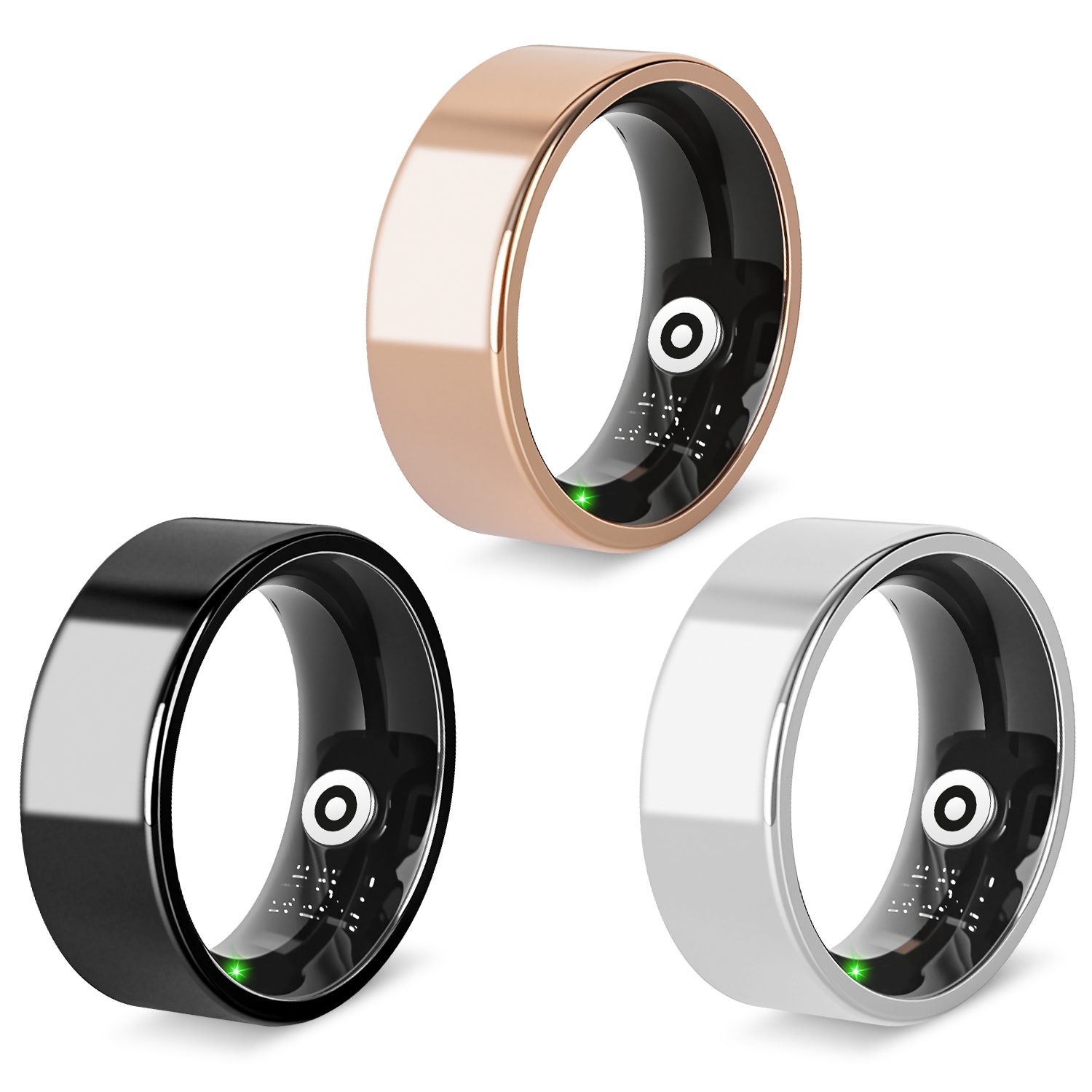 Smart Ring Health Tracker Fitness Sleep Stress HRV With Charging Case Magnetic Cable For Women & Men Compatible IOS & Android 7-Day Battery Life Size7 Size8 Size9 Size10$38.99
 View on Mallflare
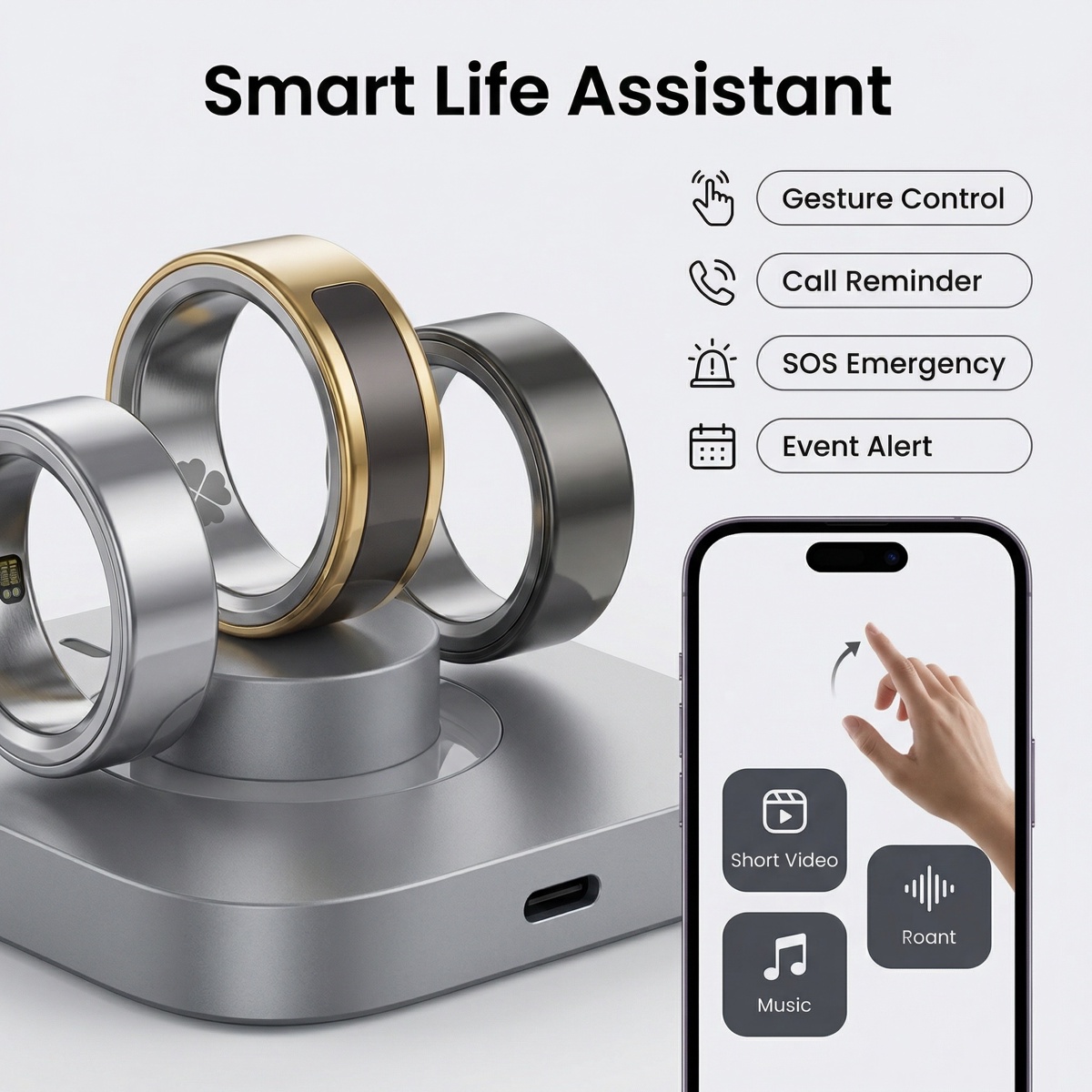 Smart Ring Health Tracker Fitness Heart Rate Blood Oxygen Sleep Monitor For Men Women$412.99View on Mallflare
Highlights
- Sensor suite tiers: basic rings track PPG heart rate and sleep; mid-tier adds SpO2 and HRV; premium adds skin temperature and continuous AFib-ready PPG.
- Shell material determines durability: titanium or zirconia ceramic resists scratches and corrosion; coated plastic or aluminum wears through anodizing within months.
- Battery tier is 5-7 days for slim sensor rings, dropping to 2-3 days with continuous SpO2 or high-frequency HRV sampling enabled.
- Sizing is fixed at purchase: rings use US 7-13 inner diameters around 17.3-22.2 mm; wrong size means sensor lift-off and bad readings, not a returnable fit issue.
Best use cases
- Best fit: sleep and recovery tracking for side-sleepers and office workers who hate wristbands at night—pick a 5-7 day titanium ring with SpO2 and HRV.
- Best fit: 24/7 passive heart-rate and stress logging for iOS or Android users who already own a watch for workouts—choose a ring with BLE 5.0 and a charging case.
- Wrong fit: runners and cyclists needing GPS, pace, or live heart-rate zones—a ring has no GPS and no screen; buy a GPS running watch instead.
- Wrong fit: shoppers wanting on-demand ECG or medical-grade AFib alerts—only wrist wearables with FDA-cleared ECG are validated; rings are wellness-grade only.
Buying tips
- Size on the index finger with a snug but rotatable fit: if the sizing kit ring slides off when you shake your hand, go one size down.
- Choose titanium or ceramic over coated aluminum; the coating on cheap rings chips at the sensor window and exposes plastic within 6-12 months.
- Require BLE 5.0+ and explicit iOS/Android app support; rings using proprietary 2.4 GHz dongles or no app export are dead ends for data portability.
- Prioritize a charging case or magnetic pogo cable with 5-7 day rated battery; rings rated under 3 days force daily charging and lose overnight sleep data.
Specs
| Shell Material | Titanium / ceramic vs coated aluminum |
|---|---|
| Sensor Suite | PPG HR + SpO2 + HRV + temp tier |
| Battery Life | 5-7 days (2-3 with continuous SpO2) |
| Sizing Standard | US 7-13 fixed inner diameter |
Related searches
What to check before buying
- Measure your index, middle, and ring finger circumferences in mm and map to US 7-13; the index finger usually gives the most stable sensor contact.
- Confirm your phone OS is iOS 15+ or Android 10+ with BLE 5.0, and that the companion app supports Apple Health or Google Fit export.
- Check the ring's water rating: require at least IP68 or 5 ATM for handwashing and showers; remove before swimming unless rated 10 ATM.
- Verify the charging method (case vs cable) and that a replacement sizing kit or exchange window exists before the ring ships.
FAQ
Data sources: eBay / Amazon listings and product attribute feeds Data updated Nov 18, 2026.
Some links on this page are affiliate links. If you buy after clicking one, we may earn a commission at no extra cost to you. This does not change which products appear here or their order. Affiliate disclosure.