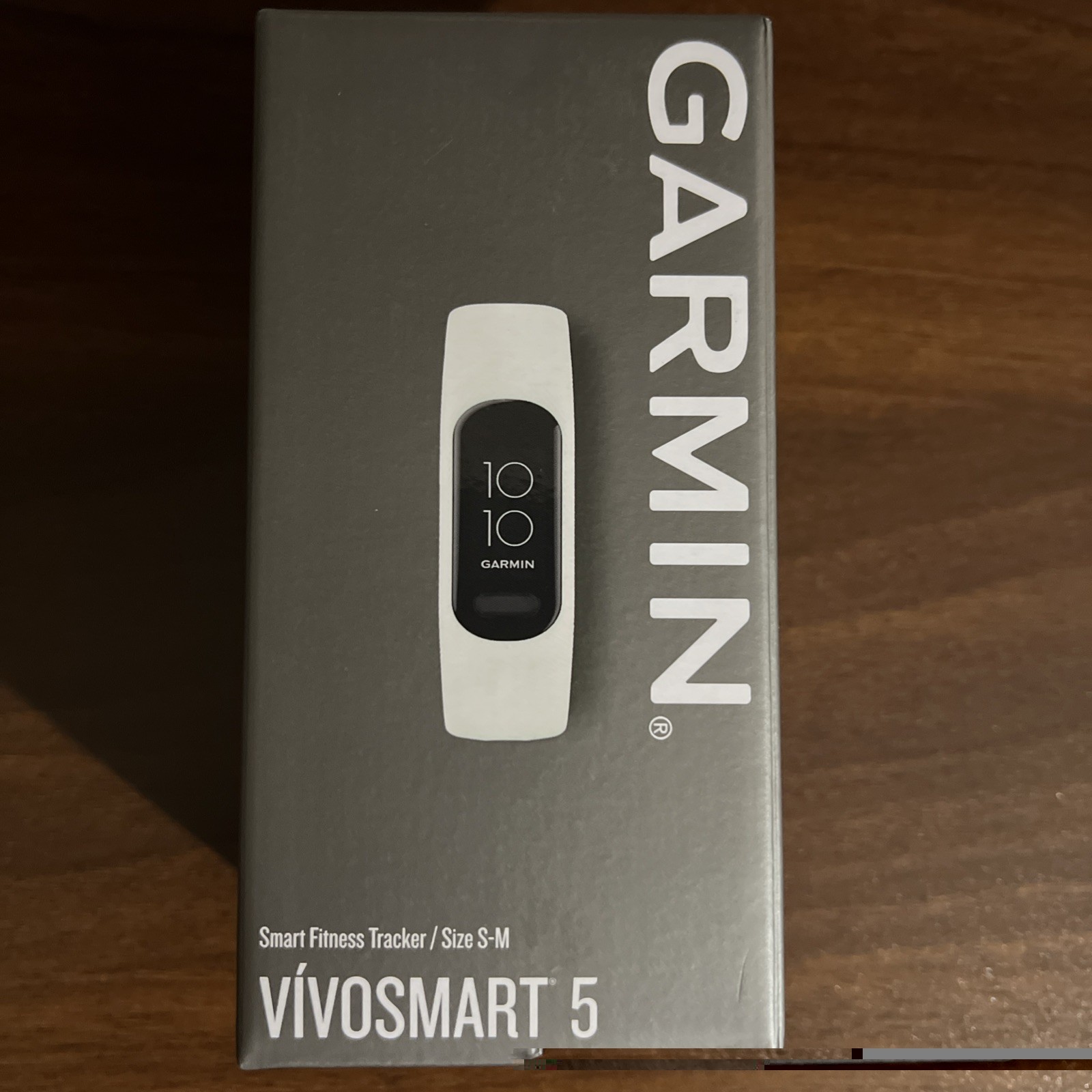

Photos from current listings. Actual item, color, and included accessories may vary.
Garmin Fitness Tracker Buying Guide
Garmin fitness trackers span slim screenless bands (vivosmart) to full GPS multisport watches (Forerunner, Venu, Instinct), so the core trade-off is battery life and slimness versus GPS accuracy and training metrics. Decide by sensor stack: any current model gives reliable wrist heart rate and sleep, but only Forerunner/Instinct/Venu tiers add standalone GPS, barometric altitude, and multi-band GNSS. Buy the band tier for discreet 24/7 tracking and the watch tier when you need pace, distance, and recovery data without a phone.


At a glance
- Category
- Smartwatches & Fitness Wearables
- Data updated
- Nov 18, 2026
Current offers
Highlights
- Display split: vivosmart uses a hidden OLED touch bar (no GPS); Forerunner 55/165/265 and Venu use color MIP or AMOLED with built-in GPS and GLONASS/Galileo.
- Battery tiers: vivosmart 5 runs about 7 days smartwatch mode; Forerunner 55 about 2 weeks; AMOLED Venu/Forerunner 265 drop to roughly 5-6 days with always-on off.
- GNSS accuracy tiers: single-band GPS on Forerunner 55/165; multi-band (dual-frequency) GPS on Forerunner 265/965 and Instinct 2X for dense-city and canyon tracking.
- Sensor set: Elevate V4 optical heart rate on current models; barometric altimeter, compass, and pulse ox appear on Instinct, Fenix, and higher Forerunner tiers only.
Best use cases
- Pick the vivosmart 5 band if you want step, sleep, heart rate, and phone notifications with no GPS and minimal wrist bulk; skip it if you run or cycle outdoors and need pace/distance.
- Pick Forerunner 55 or 165 for dedicated running with built-in GPS, pace alerts, and race predictions; skip AMOLED tiers unless you want a brighter screen and accept shorter battery.
- Pick Instinct 2 or Fenix if you need rugged MIL-STD-810 durability, barometric altitude, and multi-band GPS for hiking and trail; skip these heavy watches for sleep-tracking comfort.
- Pick Venu 3 for AMOLED general fitness, body battery, and sleep coaching; skip it for triathlon/multisport mode and structured power-based cycling, which require Forerunner/Fenix tiers.
Buying tips
- Match the band size to wrist circumference: Garmin bands ship in S/M and L; S/M fits roughly 127-180 mm wrists, L fits 145-215 mm, so measure before choosing.
- Choose the GPS tier by activity: no GPS for gym/step tracking, single-band GPS for open-road running, multi-band GPS only if you train among tall buildings or dense tree cover.
- Check phone compatibility: Garmin Connect requires iOS 15+ or Android 9+ with Bluetooth; all current trackers sync over Bluetooth LE and charge via proprietary clip or USB-C.
- Prefer models with Garmin Pay and onboard music only if you leave your phone behind; otherwise the base Forerunner/vivosmart tiers save battery and cost.
Specs
| Form Factor | Screenless band vs GPS watch |
|---|---|
| GPS Tier | None / single-band / multi-band GNSS |
| Battery Life | 5-7 days AMOLED; 14+ days MIP |
| Heart Rate Sensor | Elevate V4 optical, wrist-based |
Related searches
What to check before buying
- Measure wrist circumference in millimeters and confirm S/M versus L band fit before ordering any vivosmart or Forerunner model.
- Confirm your phone OS meets Garmin Connect minimums (iOS 15+/Android 9+) and that Bluetooth pairing is available for setup.
- Decide whether you need standalone GPS and barometric altitude, since vivosmart bands omit both and cannot add them later.
- Check charging connector type (proprietary clip vs USB-C) and whether you need a companion chest strap for accurate interval heart rate.
FAQ
Data sources: eBay / Amazon listings and product attribute feeds Data updated Nov 18, 2026.
Some links on this page are affiliate links. If you buy after clicking one, we may earn a commission at no extra cost to you. This does not change which products appear here or their order. Affiliate disclosure.