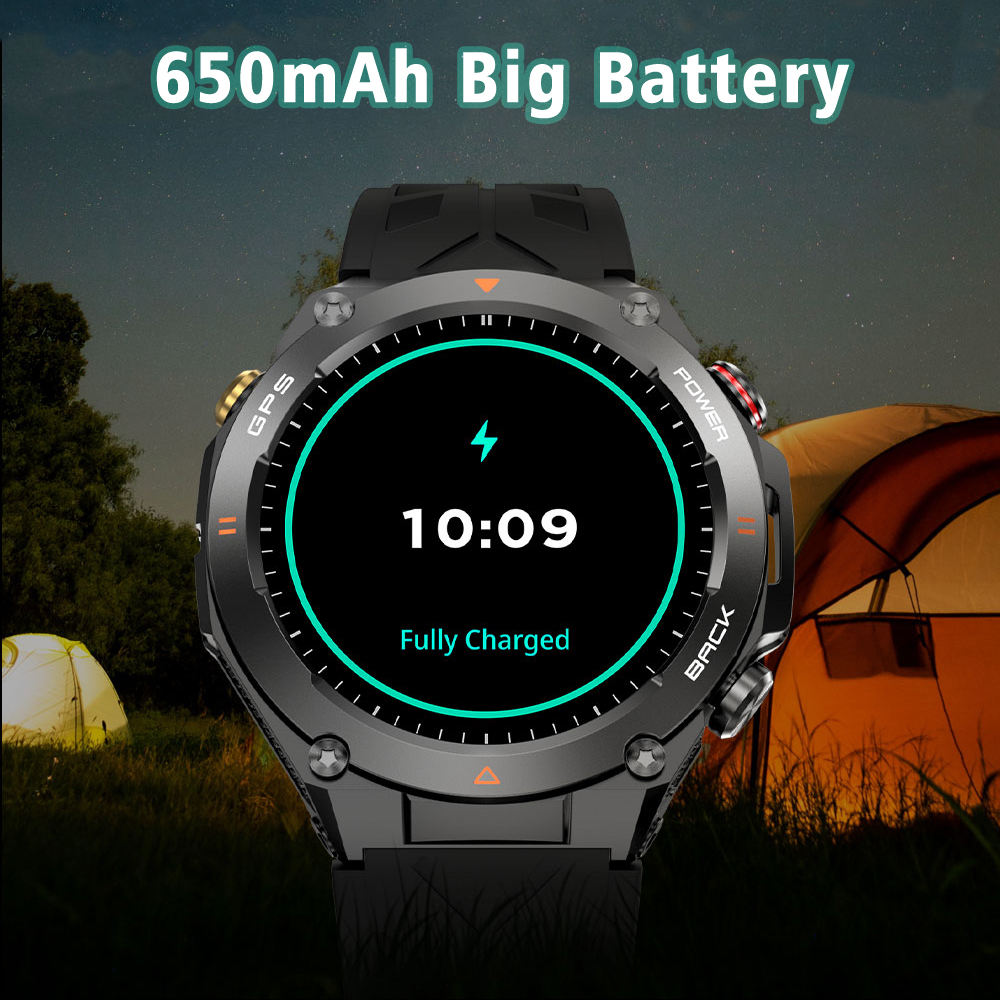

Photos from current listings. Actual item, color, and included accessories may vary.
iPhone Compatible Watch Buying Guide
An iPhone-compatible watch is a wearable that pairs with iOS for notifications, fitness tracking, and often GPS, but the core trade-off is Apple Watch integration vs. third-party cross-platform flexibility. Durable third-party options use standard Bluetooth LE and companion apps with real GPS and robust build, while compromises rely on fragile plastic shells and basic fitness bands. Choose an Apple Watch if you need deep iOS features like Apple Pay and ECG; choose a reputable third-party GPS watch if you want cross-platform use, longer battery, or rugged build without iPhone lock-in.


At a glance
- Category
- Smartwatches & Fitness Wearables
- Data updated
- Nov 17, 2026
Current offers
Highlights
- Pairing standard: third-party iPhone-compatible watches use Bluetooth LE and a companion app; Apple Watch uses proprietary iOS integration with deeper system access.
- GPS architecture: true built-in GPS (often GPS+GLONASS) enables phone-free run tracking; models without GPS rely on tethered phone location and drain iPhone battery.
- Build grade: plastic (ABS/polycarbonate) shells are lightweight but scratch-prone; stainless steel or fiber-reinforced polymer bezels and 2.5D glass improve durability.
- Sensor suite: optical heart rate, altimeter/barometer, and compass are separate modules; entry watches often omit barometer and compass, limiting hiking accuracy.
Best use cases
- Best fit: runners who want phone-free GPS and long battery — pick a third-party GPS watch with built-in GPS, GLONASS, and 5 ATM water resistance; skip Apple Watch if multi-day battery matters.
- Best fit: iPhone-centric users wanting payments, ECG, and seamless notifications — pick Apple Watch Series/SE with the correct case size; skip plastic generic watches that only mirror notifications.
- Best fit: hikers needing elevation and navigation — pick a watch with barometric altimeter, compass, and GPS trackback; skip models listing only accelerometer-based step counting.
- Wrong fit: swimmers and divers — avoid any watch rated IP68 only; require 5 ATM or 10 ATM and pool-swim workout profiles for chlorinated water.
Buying tips
- Match case size to wrist: 38–41 mm suits wrists under 170 mm circumference; 44–49 mm suits 175 mm+; measure wrist with a tape before choosing.
- For phone-free running, confirm 'built-in GPS' not 'connected GPS'; connected GPS uses the iPhone's location and fails when the phone is left behind.
- Check water-resistance rating: 3 ATM handles splashes, 5 ATM handles swimming, 10 ATM handles snorkeling; IP68 alone is not swim-proof.
- Prefer Bluetooth 5.0+ and companion apps with iOS updates; older Bluetooth 4.2 models may drop notifications and have slower syncing.
Specs
| Platform | Apple Watch (iOS-only) vs cross-platform |
|---|---|
| GPS Type | Built-in GPS vs connected GPS |
| Water Resistance | 3 ATM / 5 ATM / 10 ATM (IP68 splash) |
| Case Material | Plastic / aluminum / stainless steel |
Related searches
What to check before buying
- Measure wrist circumference and width; ensure the case lug-to-lug fits without overhang — 44 mm cases need at least 160 mm wrist width.
- Confirm iPhone iOS version compatibility; most third-party apps require iOS 13+ and some newer models require iOS 15+ for full features.
- Check strap standard: 20 mm or 22 mm quick-release straps allow cheap replacement; proprietary lugs limit options and raise long-term cost.
- Verify charging standard: magnetic pogo pins are common; USB-C charging cases are more travel-friendly than proprietary docks.
FAQ
Data sources: eBay / Amazon listings and product attribute feeds Data updated Nov 17, 2026.
Some links on this page are affiliate links. If you buy after clicking one, we may earn a commission at no extra cost to you. This does not change which products appear here or their order. Affiliate disclosure.