Photos from current listings. Actual item, color, and included accessories may vary.
Sleep Tracker Buying Guide
Sleep trackers are wearables that estimate sleep stages, duration, and recovery metrics using accelerometers, heart-rate sensors, and SpO2. The core trade-off is sensor depth versus comfort and battery: wrist wearables with multi-LED PPG and ECG offer richer data but need nightly charging and can feel bulky, while rings and slim bands prioritize all-night comfort and multi-day battery at the cost of fewer active sensors. The decision rule: choose an FDA-cleared or clinically validated multi-sensor platform if you act on sleep data, and a lightweight 3-axis accelerometer band or ring if you only need trend awareness.


At a glance
- Category
- Smartwatches & Fitness Wearables
- Data updated
- Nov 18, 2026
Current offers
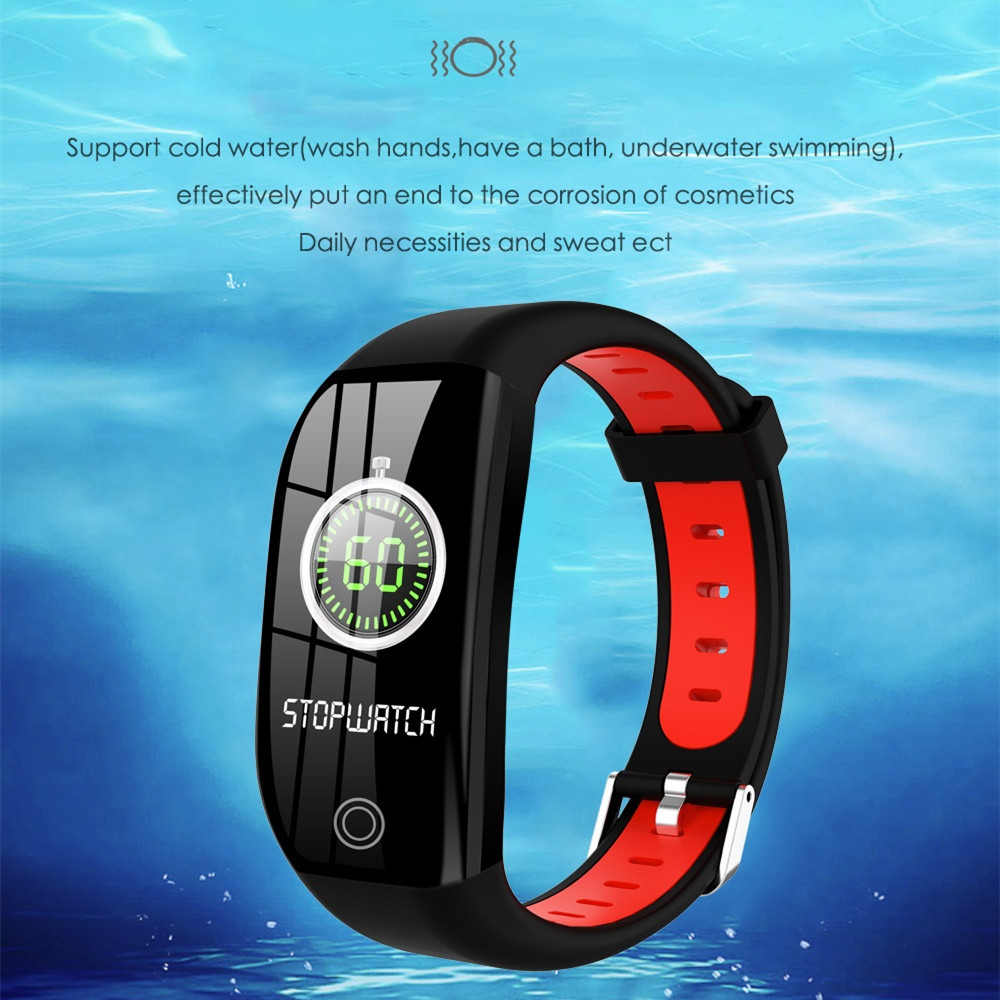 Color Screen F21 Smart Bracelet Monitor Sleep$36.99
 View on Mallflare
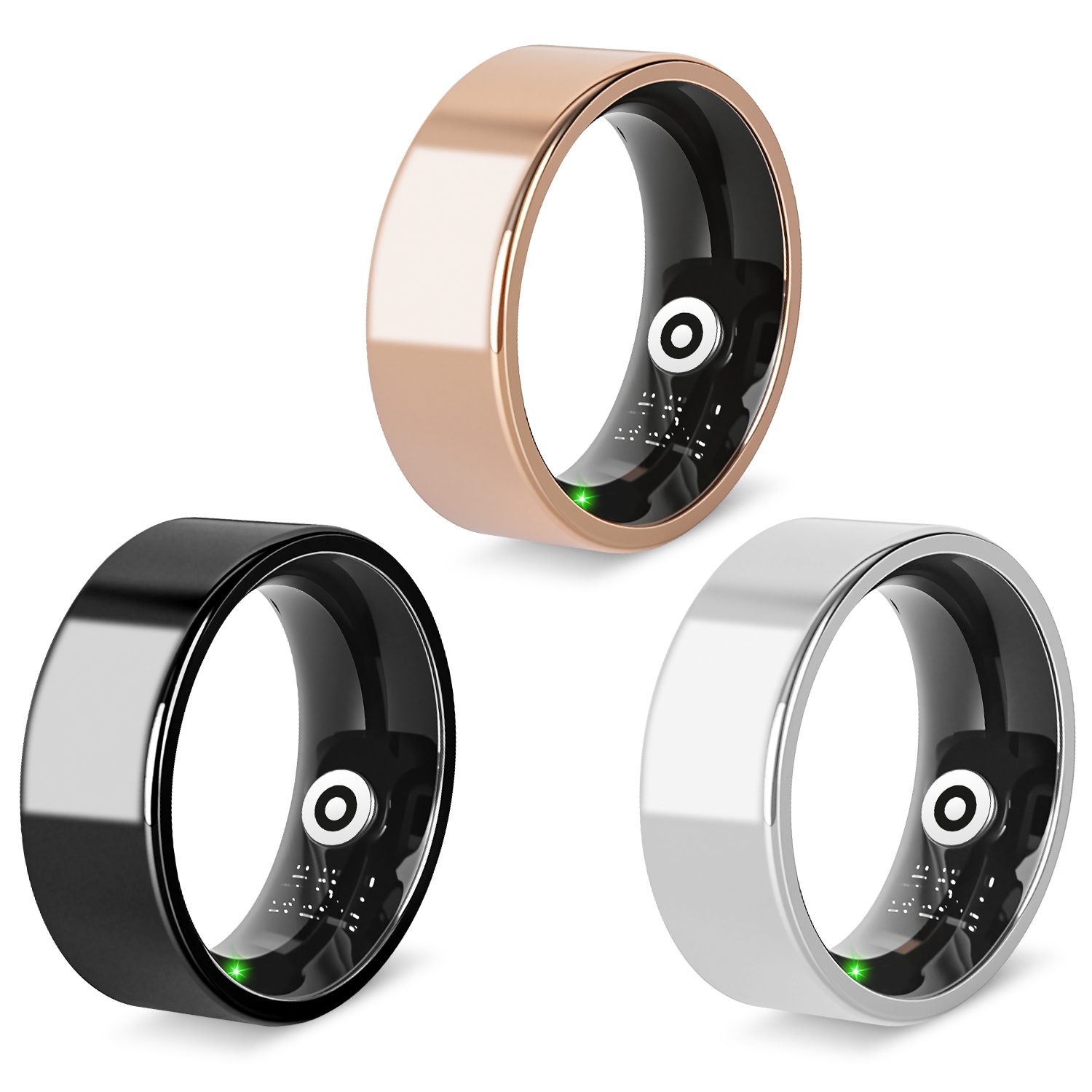 Smart Ring Health Tracker Fitness Sleep Stress HRV With Charging Case Magnetic Cable For Women & Men Compatible IOS & Android 7-Day Battery Life Size7 Size8 Size9 Size10$38.99View on Mallflare
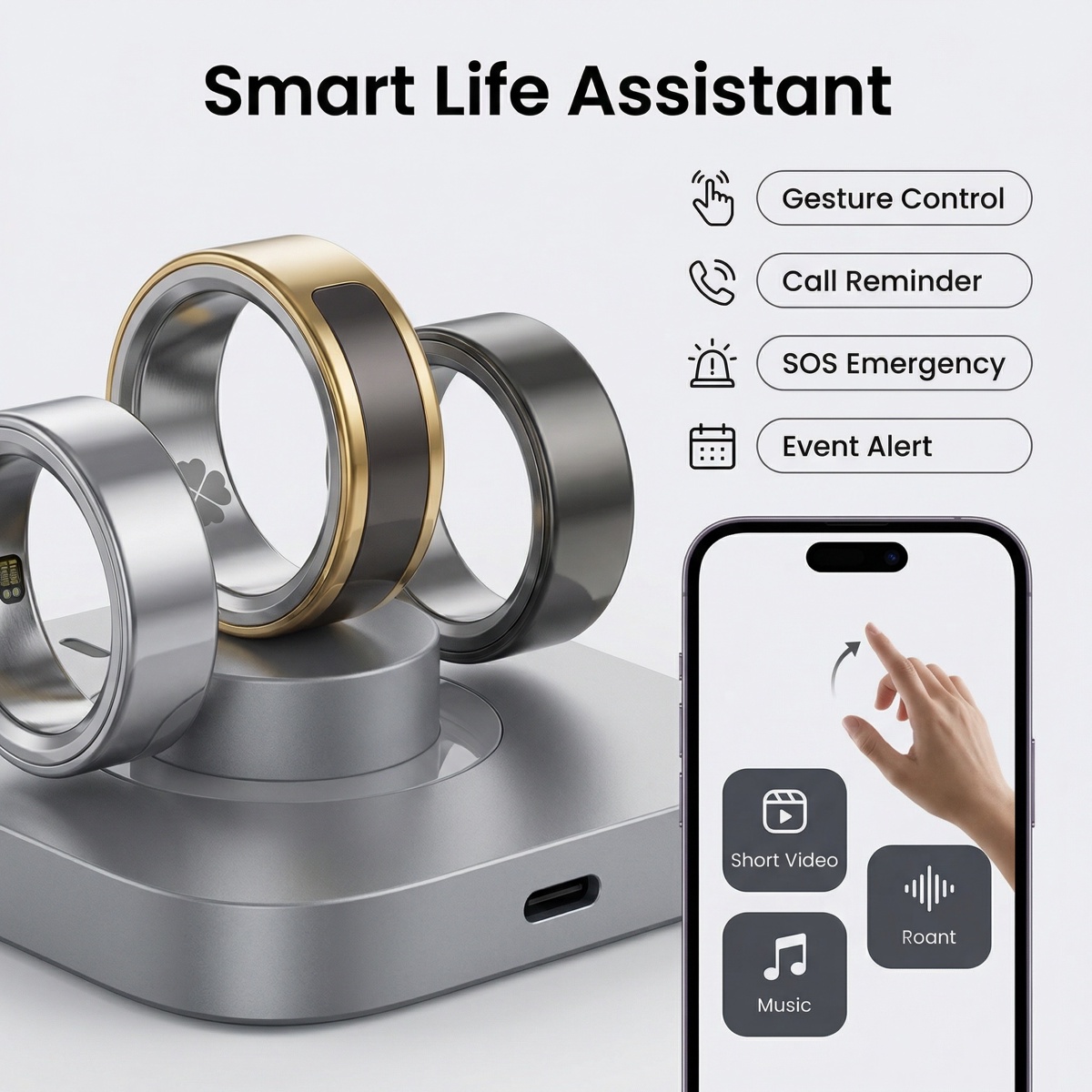 Smart Ring Health Tracker Fitness Heart Rate Blood Oxygen Sleep Monitor For Men Women$412.99View on Mallflare
Highlights
- Sleep staging accuracy depends on sensor fusion: accelerometer-only bands detect sleep/wake but struggle with REM; PPG heart-rate plus SpO2 and skin-temperature sensors are required for 4-stage estimates.
- Smart rings use a rigid inner shell with infrared PPG and temperature sensors in 2-3mm thickness, achieving 5-7 day battery life and no wrist bulk, but require exact sizing since they cannot be adjusted.
- Wrist trackers with multi-LED PPG (green, red, infrared) and ECG electrodes sample heart rate at 1-2 Hz during sleep, enabling HRV and respiratory-rate derivation that single-LED bands cannot match.
- Battery life scales inversely with sensor load: always-on SpO2 and nightly HRV sampling reduce runtime to 2-4 days, while accelerometer-only sleep mode extends bands to 10-14 days.
Best use cases
- Best fit: You want actionable sleep-stage and recovery data tied to heart rate and SpO2 — pick a multi-LED PPG wrist wearable or a smart ring with temperature and HRV sensors; skip accelerometer-only bracelets.
- Best fit: You prioritize all-night comfort and hate charging — a 2-3mm smart ring with 5-7 day battery is the correct pick; skip bulky sport watches over 50g.
- Best fit: You already wear an Apple Watch — add a sleep-focused app and a second lightweight band or ring for the other wrist/finger rather than doubling up on one wrist; skip dedicated sleep-only headbands unless you need EEG.
- Wrong fit: You need clinical sleep apnea diagnosis — consumer trackers screen for breathing disturbances but do not replace polysomnography; choose an FDA-cleared home sleep test instead.
Buying tips
- Match the form factor to your sleep position: back sleepers can wear any wrist tracker, but side sleepers should pick a ring (2-3mm) or a soft-band tracker under 30g to avoid wrist pressure and sensor gaps.
- Check sensor set before tier: sleep staging needs PPG heart rate plus accelerometer at minimum; recovery metrics (HRV, SpO2, skin temperature) require additional LEDs and a temperature sensor — accelerometer-only models cannot deliver these.
- Verify battery versus sensor load: nightly SpO2 and continuous HRV sampling drop runtime to 2-4 days; if you refuse midweek charging, select a model rated 7+ days with sleep mode enabled.
- For smart rings, order the exact sizing kit first — ring sizes 7-10 map to different inner diameters (17.3-19.8mm) and a loose ring causes PPG signal loss; wrist bands instead use 5ATM water resistance and adjustable straps for fit tolerance.
Specs
| Form Factor | Wrist band / watch / smart ring |
|---|---|
| Sleep Sensor Set | Accelerometer + PPG ± SpO2 ± temp |
| Battery Life | 2-4 days (multi-sensor) / 7-14 days (basic) |
| Water Resistance | IP68 to 5ATM minimum |
Related searches
What to check before buying
- Measure your wrist circumference (14-20cm typical) or request a ring sizing kit — a loose band or ring produces motion artifacts that corrupt sleep-stage data.
- Confirm phone compatibility: iOS requires Apple Health or a companion app with HealthKit write access; Android needs Google Fit or vendor sync — check the OS version floor before buying.
- Verify water resistance for overnight wear: 5ATM or IP68 is the minimum for handwashing and shower-adjacent use; rings typically carry 5ATM or better but should not be worn in hot tubs.
- Check charging standard and cadence: magnetic pogo-pin or USB-C cradles need a nightly or weekly routine; pick a model whose charge time under 90 minutes fits your morning routine.
FAQ
Data sources: eBay / Amazon listings and product attribute feeds Data updated Nov 18, 2026.
Some links on this page are affiliate links. If you buy after clicking one, we may earn a commission at no extra cost to you. This does not change which products appear here or their order. Affiliate disclosure.