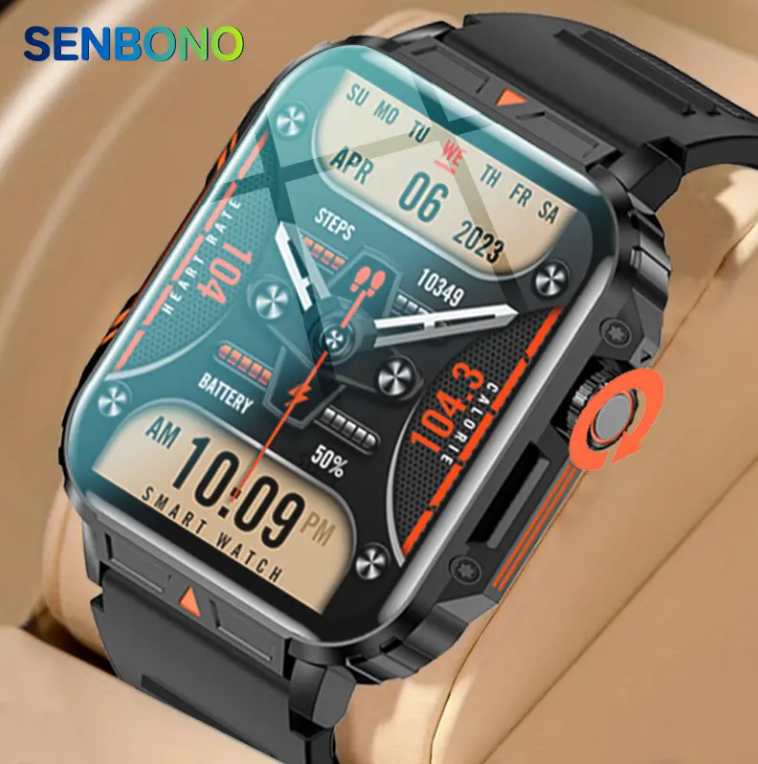

Photos from current listings. Actual item, color, and included accessories may vary.
Waterproof Fitness Tracker Buying Guide
A waterproof fitness tracker is a wrist-worn band or watch rated to survive sweat, rain, and submersion while logging heart rate, steps, and workouts. The core trade-off is water-resistance rating versus real-world sensor accuracy and battery life: sealed 5 ATM+ designs last longer but limit button/display choices, while 3 ATM 'splash-proof' units are not swim-safe. The decision rule: buy only 5 ATM or IP68 with a listed swim mode; skip any tracker rated IPX4 or 'life waterproof' for pool or open-water use.


At a glance
- Category
- Smartwatches & Fitness Wearables
- Data updated
- Nov 16, 2026
Current offers
Highlights
- Water ratings are standardized: 3 ATM resists splashes only, 5 ATM is swim-safe, 10 ATM supports snorkeling and high-speed water sports.
- IP68 means dust-tight and immersion beyond 1 m, but it does not certify chlorinated pool or saltwater durability like 5 ATM does.
- Optical heart-rate accuracy depends on sensor generation: single green-LED sensors drift during intervals; multi-LED plus accelerometer fusion tracks better.
- Square plastic-cased trackers typically weigh 20-30 g and use magnetic pogo-pin charging, which corrodes faster in chlorinated water than sealed wireless charging.
Best use cases
- Pool lap swimming: pick a 5 ATM tracker with a dedicated pool-swim mode and stroke-count logging; skip 3 ATM bands and touchscreen-only models that ghost-tap underwater.
- Open-water and triathlon training: choose 10 ATM plus GPS and a physical button for wet-finger control; skip plastic square trackers with no GPS and no water-lock mode.
- Everyday sweat and shower tracking: an IP68 band with 5-7 day battery is sufficient; skip premium 10 ATM multisport watches if you never swim.
- Kids and casual step tracking: a lightweight 5 ATM plastic band with caller alerts fits; skip large AMOLED square watches that add weight and need daily charging.
Buying tips
- Match the rating to the activity: 5 ATM is the minimum for lap swimming, 10 ATM for snorkeling or open water, and IP68 only for sweat and rain.
- Check for a physical water-lock or button-only mode; capacitive touchscreens misread underwater and can trigger accidental laps or calls.
- Prefer multi-LED optical heart-rate sensors with accelerometer fusion; single-LED plastic trackers lag 10-20 bpm during interval work.
- For all-day wear, target under 30 g and a strap width of 18-22 mm; wider bands chafe during swim strokes and sleep tracking.
Specs
| Water Rating | 3 ATM / 5 ATM / 10 ATM / IP68 |
|---|---|
| Heart-Rate Sensor | Single-LED vs multi-LED optical |
| Case Material | Plastic / aluminum / stainless steel |
| Battery Life | 5-14 days typical; 1-2 days GPS |
Related searches
What to check before buying
- Confirm the water rating is printed as 5 ATM or 10 ATM, not 'IPX4' or 'life waterproof', before swim use.
- Measure wrist circumference: most bands fit 140-220 mm; outside that range you need an extended strap.
- Verify phone compatibility: iOS and Android companion apps differ, and some trackers limit call/text reply features by OS.
- Check charging method: pogo-pin contacts need rinsing and drying after every swim; wireless charging is more corrosion-resistant.
FAQ
Data sources: eBay / Amazon listings and product attribute feeds Data updated Nov 16, 2026.
Some links on this page are affiliate links. If you buy after clicking one, we may earn a commission at no extra cost to you. This does not change which products appear here or their order. Affiliate disclosure.