Photos from current listings. Actual item, color, and included accessories may vary.
Golf Net Buying Guide
A golf practice net is a high-tensile containment system that lets you hit full-swing shots at home without chasing balls, defined by three engineering layers: the netting (mesh size, twine denier, knot type), the frame (steel tube gauge, joint design, footprint), and the ball-return or side-barrier configuration. The core trade-off is between enclosure completeness and portability: frame cages with side panels and a roof stop shanks and sky-balls, while lighter pop-up or framed 7-foot nets trade coverage for fast setup and storage. The decision rule is simple: choose a 10x10x10 cage or a net with side barriers and a top panel for any driver or wood practice, and only accept a bare rectangular 7x10 face net if you exclusively hit irons into an open backyard.


At a glance
- Category
- Golf Training, Shoes & Gloves
- Data updated
- Nov 17, 2026
Current offers
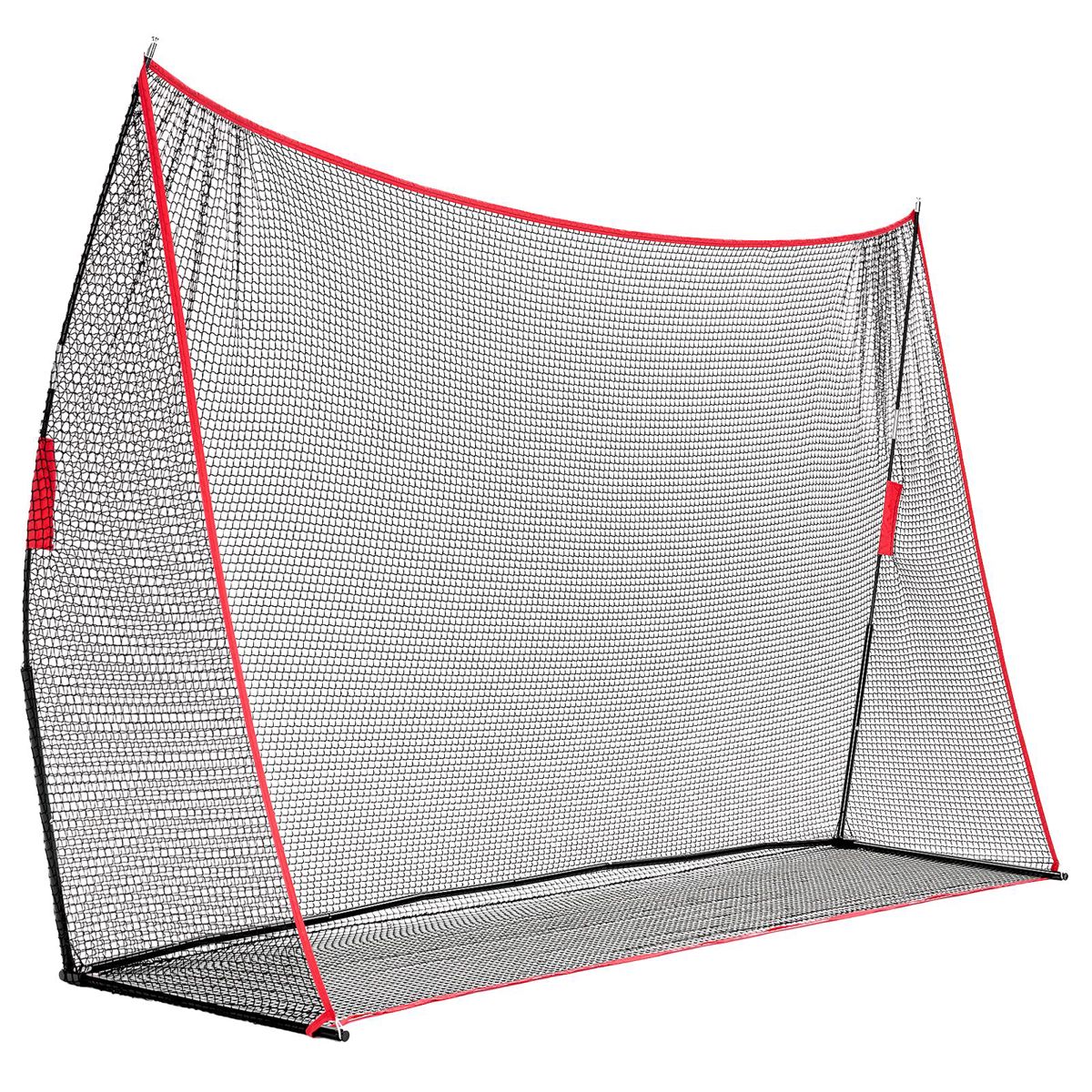 Backyard Golf Net, 10x7-foot Practice Net, With Frame, Home, Garage And Personal Range$87.99
 View on Mallflare
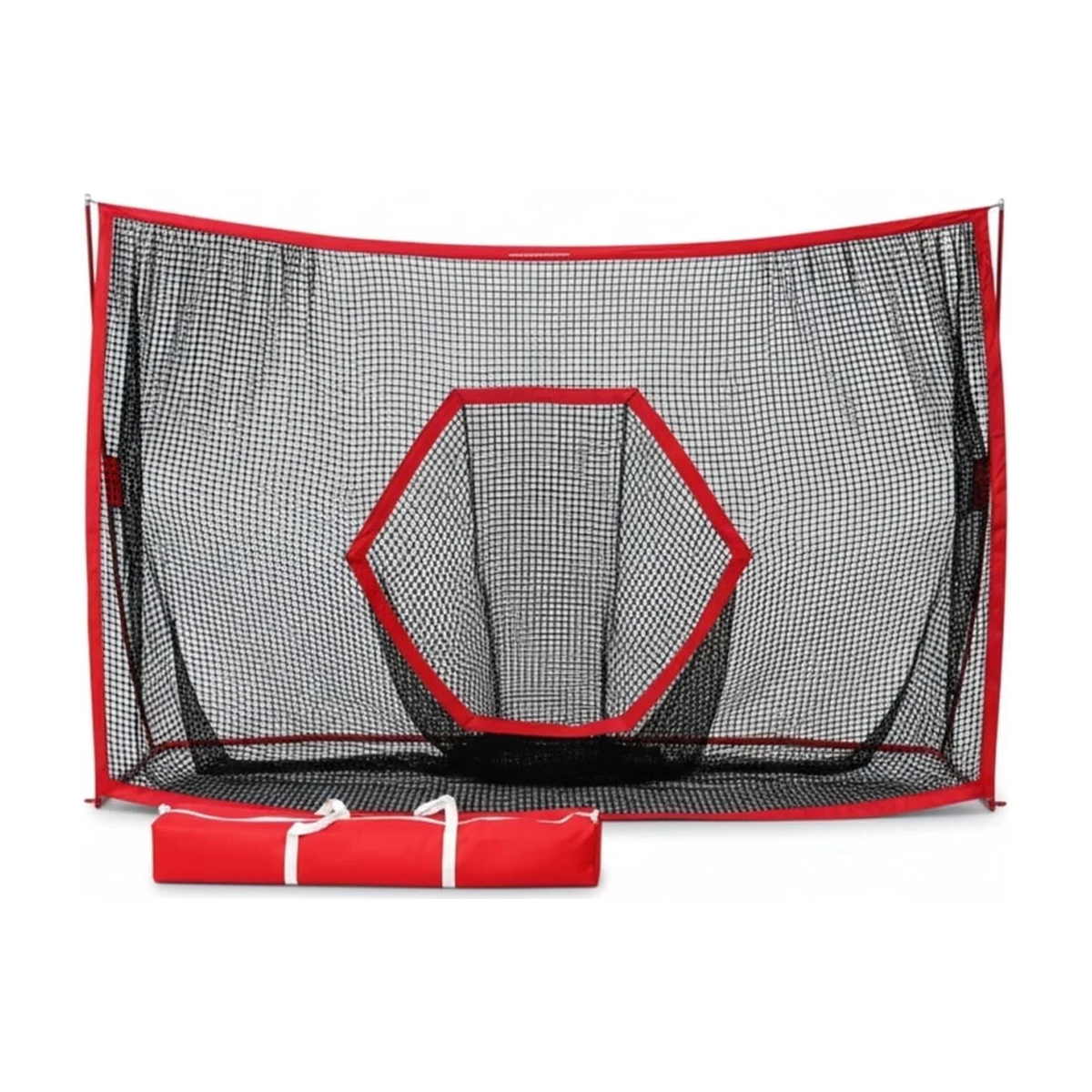 Backyard Golf Net, 10x7-foot Framed Practice Net, Indoor And Outdoor Dual-purpose Sturdy Design$92.99View on Mallflare
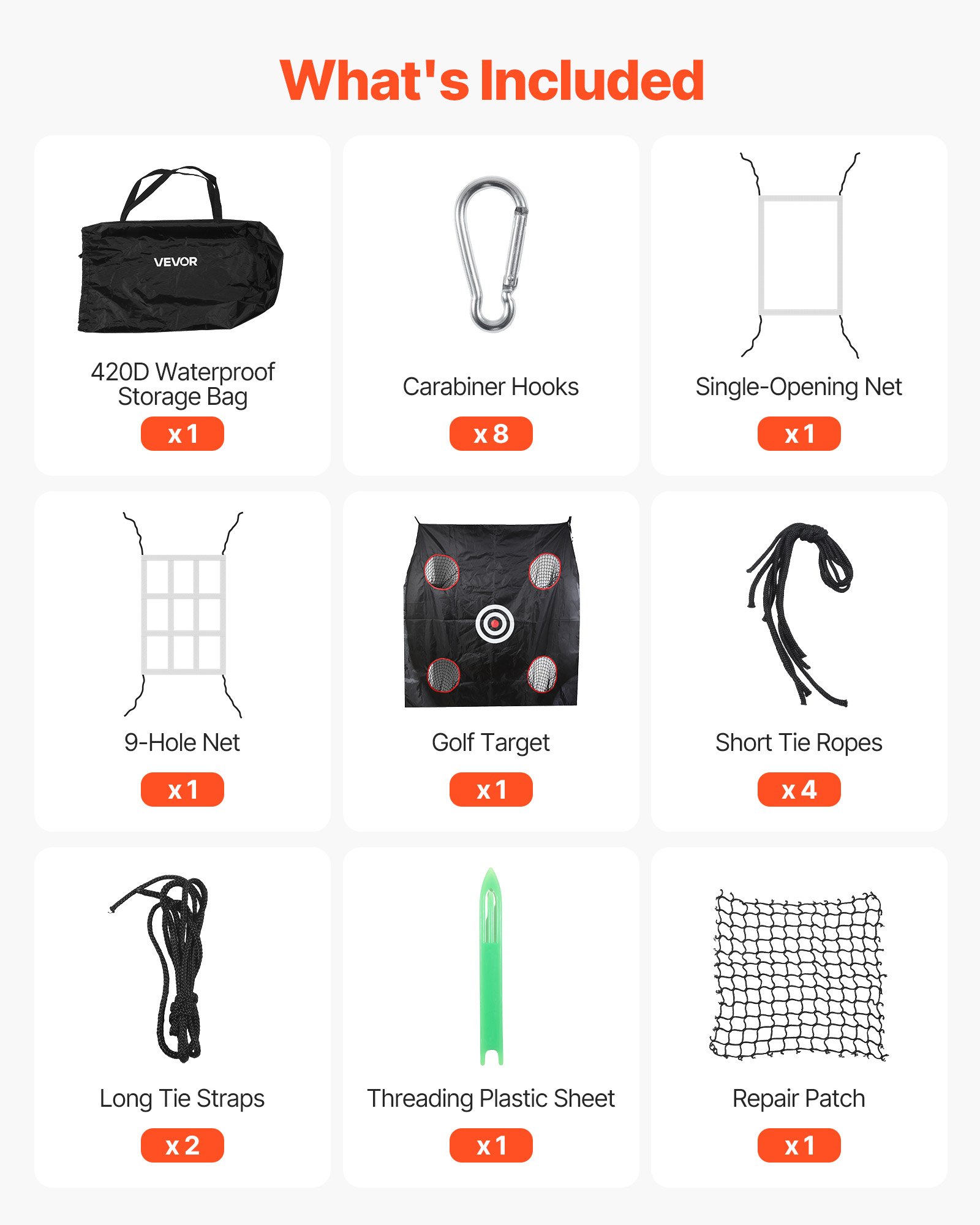 Golf Batting Cage, 10 X 10 X 10 FT Driving Hitting Cages With 3-Ply Knotless Polyester, Golfs Target & 9-Hole Baseball Net For Indoor, Outdoor, Backyard$71.99View on Mallflare
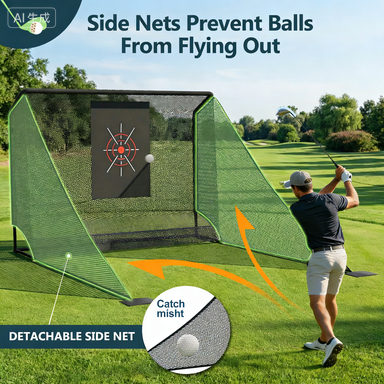 Golf Practice Net 10x7ft, Auto Ball Return Enclosure With Side Barriers, Portable ,Durable Hitting Net For Backyard OR Indoor Use, Carry Bag , Stakes$198.99View on Mallflare
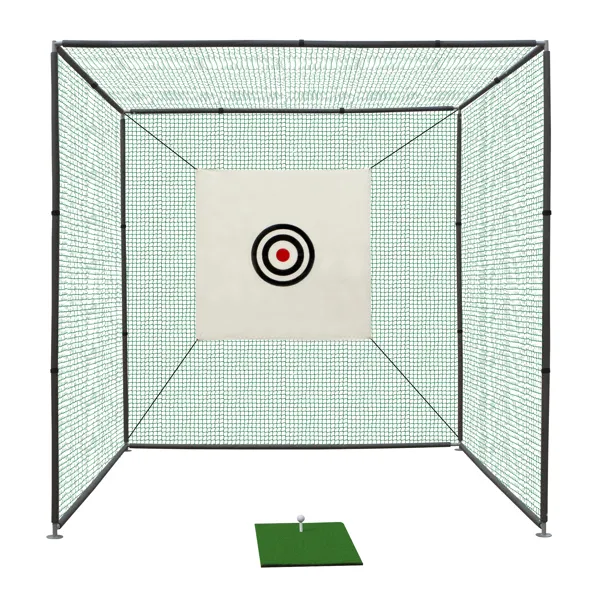 10X10X10FT Golf Practice Net Cage w/ Metal Frame Hitting Net Kit Indoor Outdoor$339.99View on Mallflare
Highlights
- Netting quality is defined by mesh size and twine: 1-inch mesh with 3-ply knotless polyester or high-denier nylon stops golf balls, while 1.75-inch mesh or single-ply netting lets balls through or wears through at high swing speeds.
- Frame cages built from 1-inch or 1.5-inch powder-coated steel tubing with push-button or bolt joints resist wind and ball impact; thin snap-together fiberglass or plastic-hub frames flex and fail at the joints.
- A 10x10x10-foot cage encloses the full swing plane including driver, while a 10x7-foot framed net covers irons and wedges but leaves the top and sides open to sky-balls and shanks.
- Side barriers and a roof panel are the two features that prevent the most common backyard misses: a shanked iron heading 45 degrees right or left and a skied driver going near-vertical.
Best use cases
- Best fit for garage use: a 10x7-foot framed net with side barriers and a ball-return trough, because a 7-foot height clears most garage ceilings and the frame stands without stakes; skip full 10-foot cages unless your ceiling exceeds 11 feet.
- Best fit for backyard full-bag practice: a 10x10x10 cage with 3-ply knotless netting and a metal frame, since it contains driver and wood shots; skip bare 7x10 face nets if you plan to hit anything longer than a 5-iron.
- Best fit for renters or small yards: a portable pop-up or framed 10x7 net with carry bag and ground stakes, set up and taken down per session; skip permanent cages that require staking or concrete anchoring.
- Wrong fit for all buyers: single-layer thin netting without side panels or a top, because a single shank or skied driver defeats the containment and creates a safety and neighbor-property risk.
Buying tips
- Match net face height to your longest club: a 7-foot-high net is adequate for irons and wedges but a driver’s apex plus follow-through needs a 10-foot cage or a roof panel to stay contained.
- Check netting specification before frame: 3-ply knotless polyester with 1-inch mesh and UV-treated twine outlasts 2-ply or knotted netting, and knotless mesh reduces ball abrasion and bounce-back.
- Allow a footprint of at least 10 feet wide by 10 feet deep for a cage, plus 3 feet of clearance behind the net for ball-return troughs and 2 feet on each side for frame legs and shank containment.
- For garage installs, measure ceiling height at the hitting zone: a 7-foot frame plus a 1-foot roof clearance needs a ceiling of 8 feet or more, and a 10-foot cage needs 11 feet or more.
Specs
| Enclosure Type | 10x10x10 cage / 10x7 framed / pop-up |
|---|---|
| Netting Material | 3-ply knotless polyester / nylon |
| Mesh Size | 1 in (golf) vs 1.75 in (multi-sport) |
| Frame Material | Powder-coated steel / fiberglass |
Related searches
What to check before buying
- Measure the exact ceiling or overhead clearance at the hitting spot — 7-foot nets need 8 feet minimum, 10-foot cages need 11 feet minimum — and confirm no light fixtures, garage-door tracks, or sprinkler heads sit inside the swing arc.
- Confirm ground anchoring: framed backyard nets ship with ground stakes for turf or soil, while garage setups need rubber feet or weighted base bags because stakes cannot penetrate concrete.
- Verify the netting material and mesh count: choose UV-treated 3-ply knotless polyester or high-denier nylon with 1-inch mesh for outdoor sun exposure, and avoid untreated netting that degrades within one season.
- Check what is included in the kit: frame tubes, net, side barriers, target sheet, ball-return trough, carry bag, and stakes are separate line items — a net-only box requires a separate frame and anchoring hardware.
FAQ
Data sources: eBay / Amazon listings and product attribute feeds Data updated Nov 17, 2026.
Some links on this page are affiliate links. If you buy after clicking one, we may earn a commission at no extra cost to you. This does not change which products appear here or their order. Affiliate disclosure.