Photos from current listings. Actual item, color, and included accessories may vary.
Golf Training Aid Buying Guide
Golf training aids are diagnostic tools that constrain or feedback on swing path, face angle, tempo, or putting stroke, and the core trade-off is between adjustable, material-durable hardware and flimsy props that only teach one flawed motion. The decision rule: buy aids with measurable feedback (alignment lines, stroke gates, impact marks) and rugged construction (wood, steel, dense foam, wrinkle-free turf), and skip anything that forces an unnatural swing or lacks a repeatable setup.

At a glance
- Category
- Golf Training, Shoes & Gloves
- Data updated
- Nov 17, 2026
Current offers
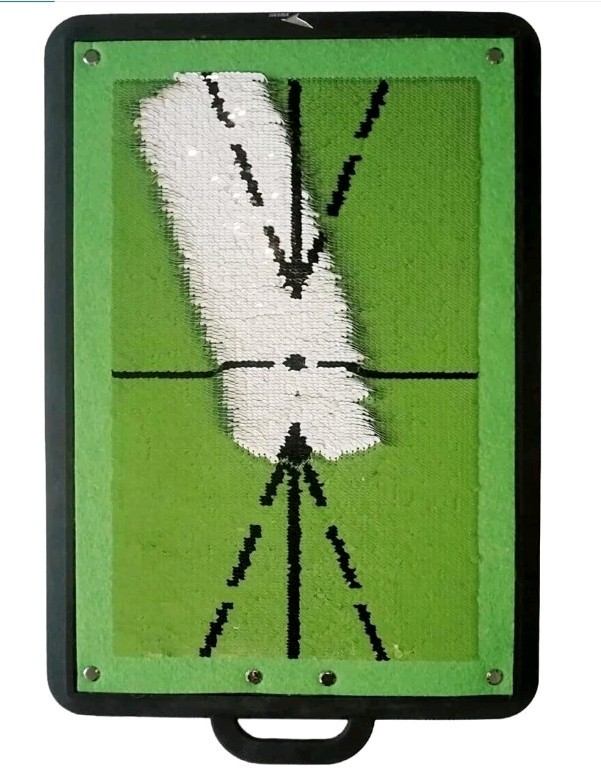 Birdie Golf: Birdie Mat Pro - Swing Training Aid, Sequin Tech Surface, Analyze$33.00
 View on eBay
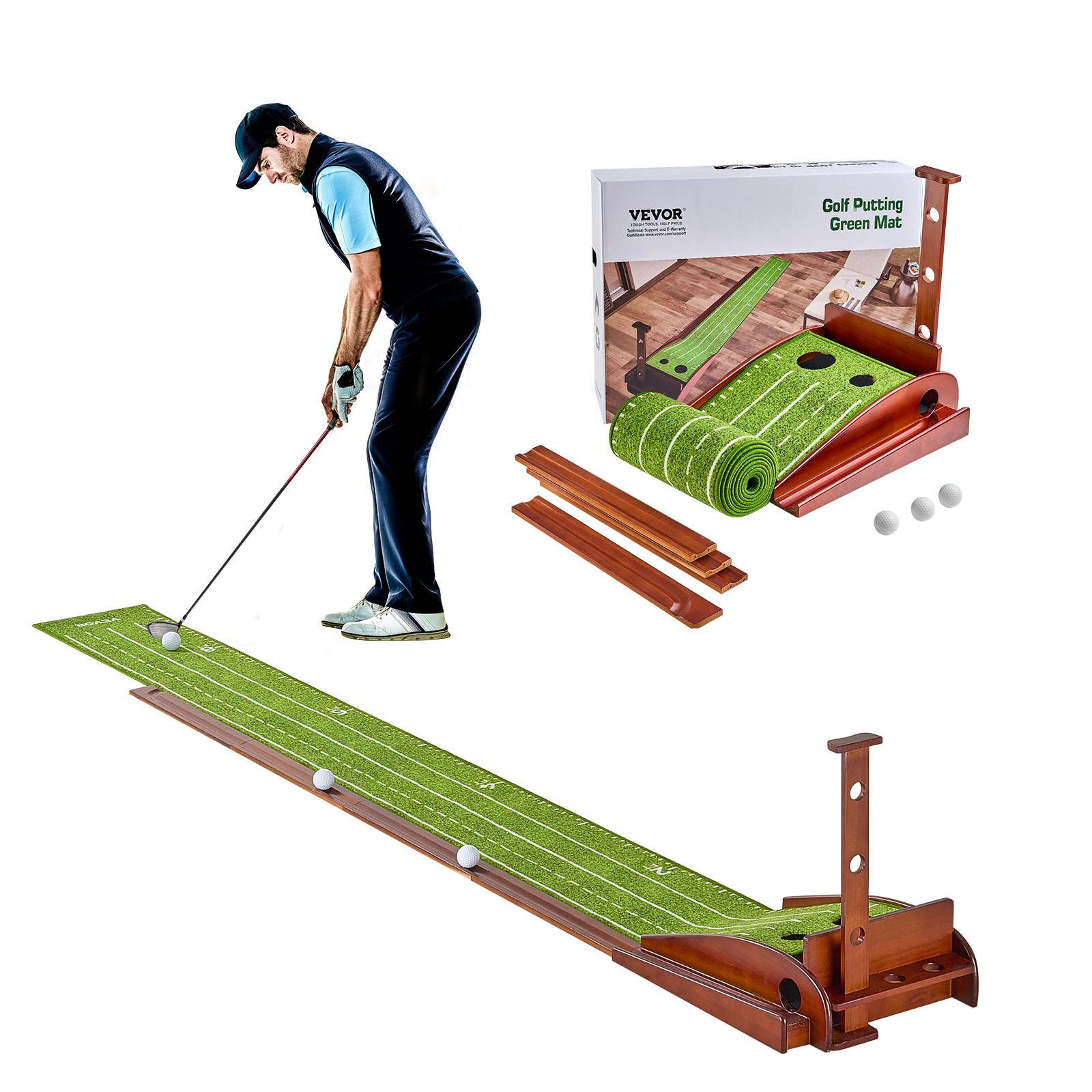 Golf Putting Mat, 2 Hole Indoor Green, Wrinkle-Free Training Aid, Mini Set With Auto-Ball Return, Alignment Guide, 3 Ball, Wood Base, Game Practice Gift For Home Office$81.99
 View on Mallflare
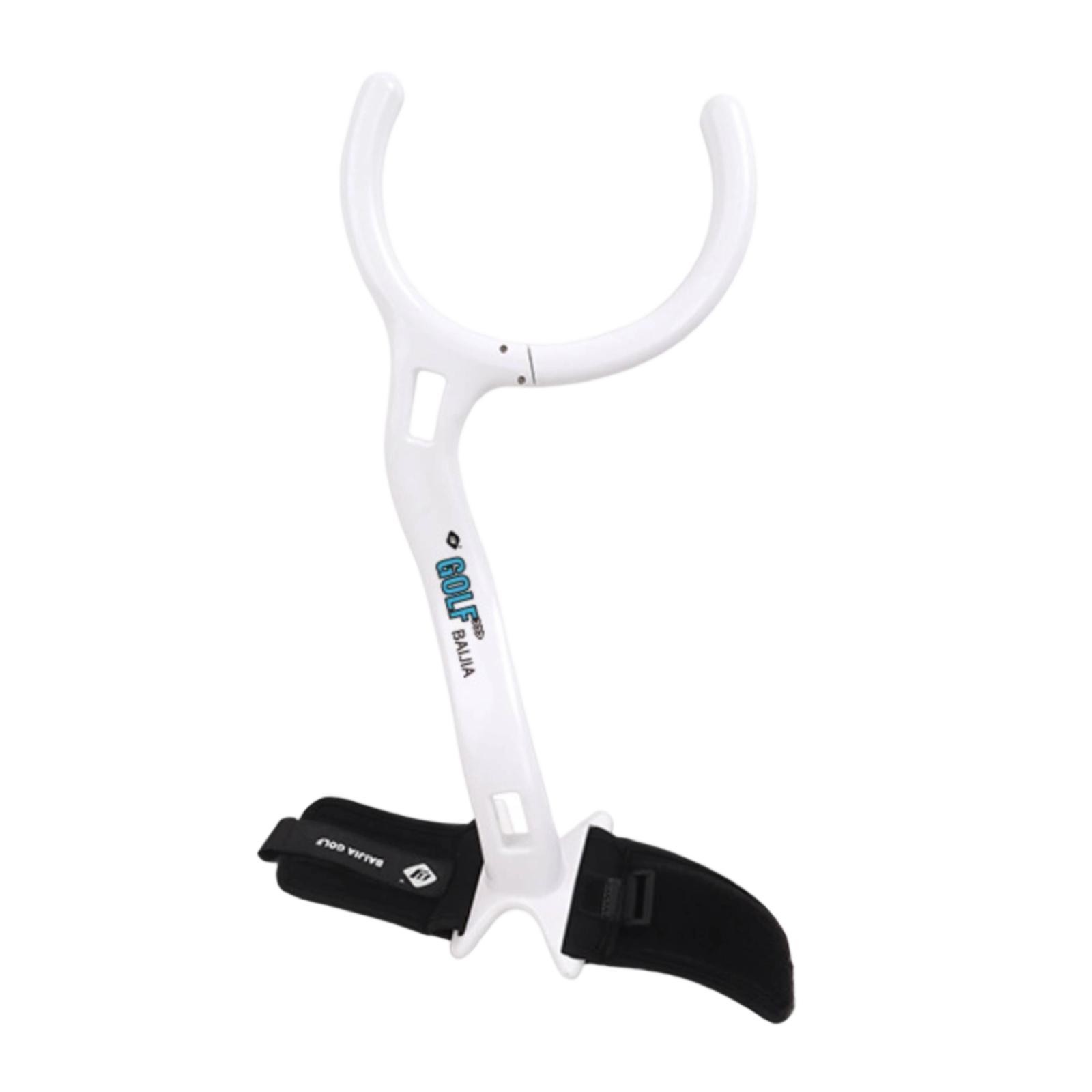 Golf Swing Training Aid Gear Training Tool for Birthday Lover Father's Day$43.98View on eBay
Highlights
- Swing-path aids use physical gates, rails, or hinged arms; adjustable width/height models suit multiple flaws, fixed models only one.
- Putting mats are graded by turf face: dense nylon or polypropylene with a true roll beats glossy sequin or felt surfaces that mask speed control.
- Impact/alignment aids rely on face tape, laser lines, or mirror checks; these give objective face-angle and low-point feedback without a launch monitor.
- Durability comes from base construction: solid wood or weighted rubber bases stay flat, while thin roll-out mats crease and ruin stroke repetition.
Best use cases
- Best for indoor putting practice: choose a wrinkle-free wood-base mat with alignment guide and auto-return; skip thin felt mats that slide and flatten.
- Best for full-swing path correction: pick an adjustable swing-gate or hinged trainer that fits your club type; skip fixed one-piece props if you work on multiple flaws.
- Best for tempo and warm-up: use a weighted swing trainer or tempo aid matched to your driver/iron weight; skip heavy 'strength' clubs if you have joint issues.
- Wrong fit: buying a single-flaw gimmick aid before fixing grip and setup wastes money; start with alignment and impact feedback first.
Buying tips
- Match aid to flaw: path gate for slices/hooks, impact tape for centeredness, putting gate for face control, tempo trainer for rhythm.
- For putting mats, require a non-slip base and true-roll turf; width at least 12 in and length 6-10 ft for meaningful stroke reps.
- Check adjustability: swing aids should fit both irons and driver without forcing a single plane; fixed aids only suit one club.
- Prefer aids with measurable feedback (lines, gates, marks) over passive props; feedback shortens practice cycles and confirms change.
Specs
| Aid Type | Path gate / putting mat / impact tape |
|---|---|
| Feedback Type | Visual gate, mark, laser, or mirror |
| Adjustability | Fixed vs adjustable width/height |
| Build Materials | Wood base / dense foam / steel rails |
Related searches
What to check before buying
- Measure your practice space: putting mats need 6-10 ft clear length; swing aids need ceiling height for full swings.
- Confirm floor surface: hardwood/tile needs rubber-backed mats; carpet needs grippy underside to prevent slide.
- Check club compatibility: swing gates must clear your longest club and driver head; putting aids fit putter sole width.
- Verify what's included: alignment rods, balls, and return mechanisms are often separate; ensure the aid is usable out of the box.
FAQ
Data sources: eBay / Amazon listings and product attribute feeds Data updated Nov 17, 2026.
Some links on this page are affiliate links. If you buy after clicking one, we may earn a commission at no extra cost to you. This does not change which products appear here or their order. Affiliate disclosure.