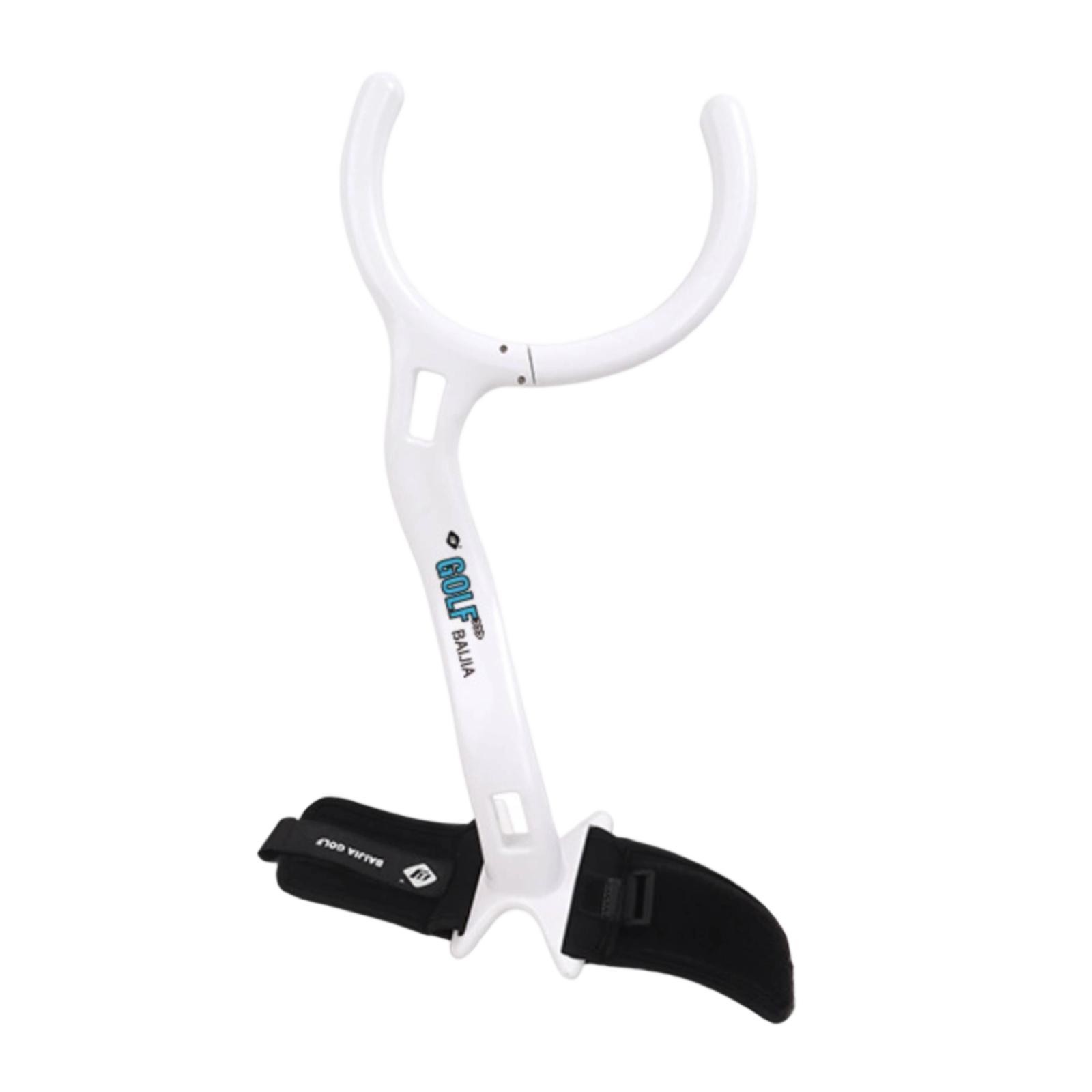

Photos from current listings. Actual item, color, and included accessories may vary.
Golf Swing Training Aid Buying Guide
A golf swing training aid is a physical feedback tool—mat, hinge, band, or alignment rod—that ingrains swing plane, tempo, or impact position through constrained motion or real-time visual cues. The core trade-off is between instant tactile feedback (durable, low-tech) and sensor-driven analysis (high-tech, fragile). Buy a mechanical aid if you need repeatable feel; buy an electronic mat or sensor only if you will use data to change mechanics.


At a glance
- Category
- Golf Training, Shoes & Gloves
- Data updated
- Nov 17, 2026
Current offers
Highlights
- Mechanical aids (hinged clubs, weighted rings, alignment rods) cost less and survive outdoor use; electronic mats use pressure sensors that degrade if stored bent or damp.
- Swing-plane trainers with an adjustable hinge click at a set wrist angle—most models offer 3-5 break angles so one tool fits irons and driver.
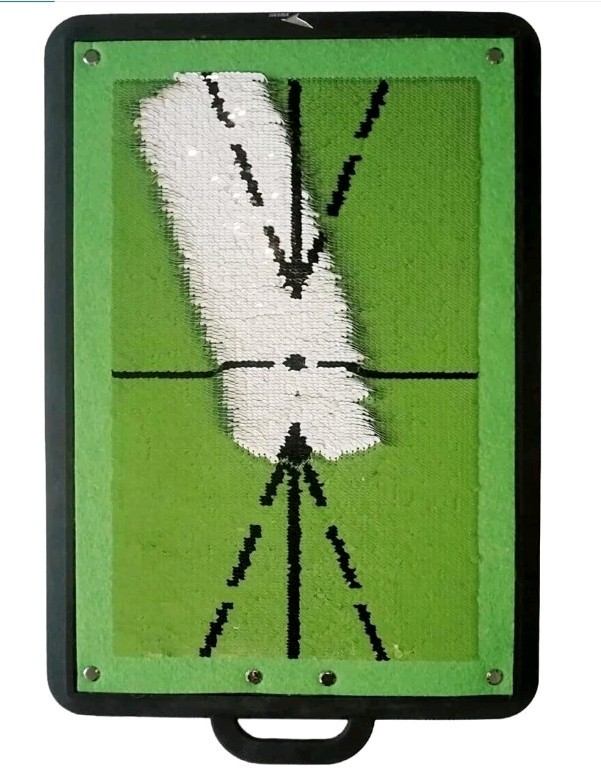
- Impact mats read clubhead path via embedded sensors and need firmware updates; check that the mat supports both right- and left-handed swings before buying.
- Resistance bands and tempo trainers rely on elastic modulus—latex bands lose 10-15% tension after a season, so replaceable-band designs last longer.
Best use cases
- Pick a hinged swing trainer if you slice or hook and need wrist-angle feedback at home without a ball—skip sensor mats if you have no covered hitting area.
- Pick an impact/pressure mat if you want path and low-point data and have a garage or simulator bay with 8 ft of clearance—skip it if you practice outdoors in rain or direct sun.
- Pick an alignment-rod and mirror set for full-swing plane work on a range—skip bulky mats if you travel and need a bag-sized aid.
- Pick a weighted tempo ring or band for warm-up and rhythm if you already have a solid plane—skip hinged trainers if your issue is speed, not path.
Buying tips
- Match the aid to one fault: wrist hinge for slice/hook, low-point board for fat/thin contact, plane rod for over-the-top—buying three aids at once dilutes feedback.
- Check mat dimensions against your stance width plus 12 in: most pressure mats are 24-30 in wide and need a level, non-carpet surface to read correctly.
- Verify hinge trainers are adjustable across at least 3 angles (typically 60°, 90°, 120°) so the same aid works for wedge, iron, and driver.
- Prefer aids with replaceable bands or rods; bonded sensors and glued hinges are the first failure points and cannot be repaired.
Specs
| Aid Type | Hinged trainer / Impact mat / Plane rod |
|---|---|
| Feedback Mode | Mechanical click vs Sensor + app |
| Handedness | Right-handed / Left-handed / Ambidextrous |
| Power / Setup | None (mechanical) vs USB-C/AA + app |
Related searches
What to check before buying
- Measure ceiling height: full-swing aids (plane rods, hinged clubs) need 9-10 ft clearance indoors; mats and putting aids need only 7 ft.
- Confirm handedness: many impact mats and hinged trainers are right-handed only or require a left-handed conversion kit.
- Check floor type: pressure mats need firm, level ground—carpet, turf, and slopes skew sensor readings and void accuracy.
- Verify power and connectivity: electronic mats use USB-C or AA batteries and Bluetooth; confirm your phone or tablet supports the required app version.
FAQ
Data sources: eBay / Amazon listings and product attribute feeds Data updated Nov 17, 2026.
Some links on this page are affiliate links. If you buy after clicking one, we may earn a commission at no extra cost to you. This does not change which products appear here or their order. Affiliate disclosure.