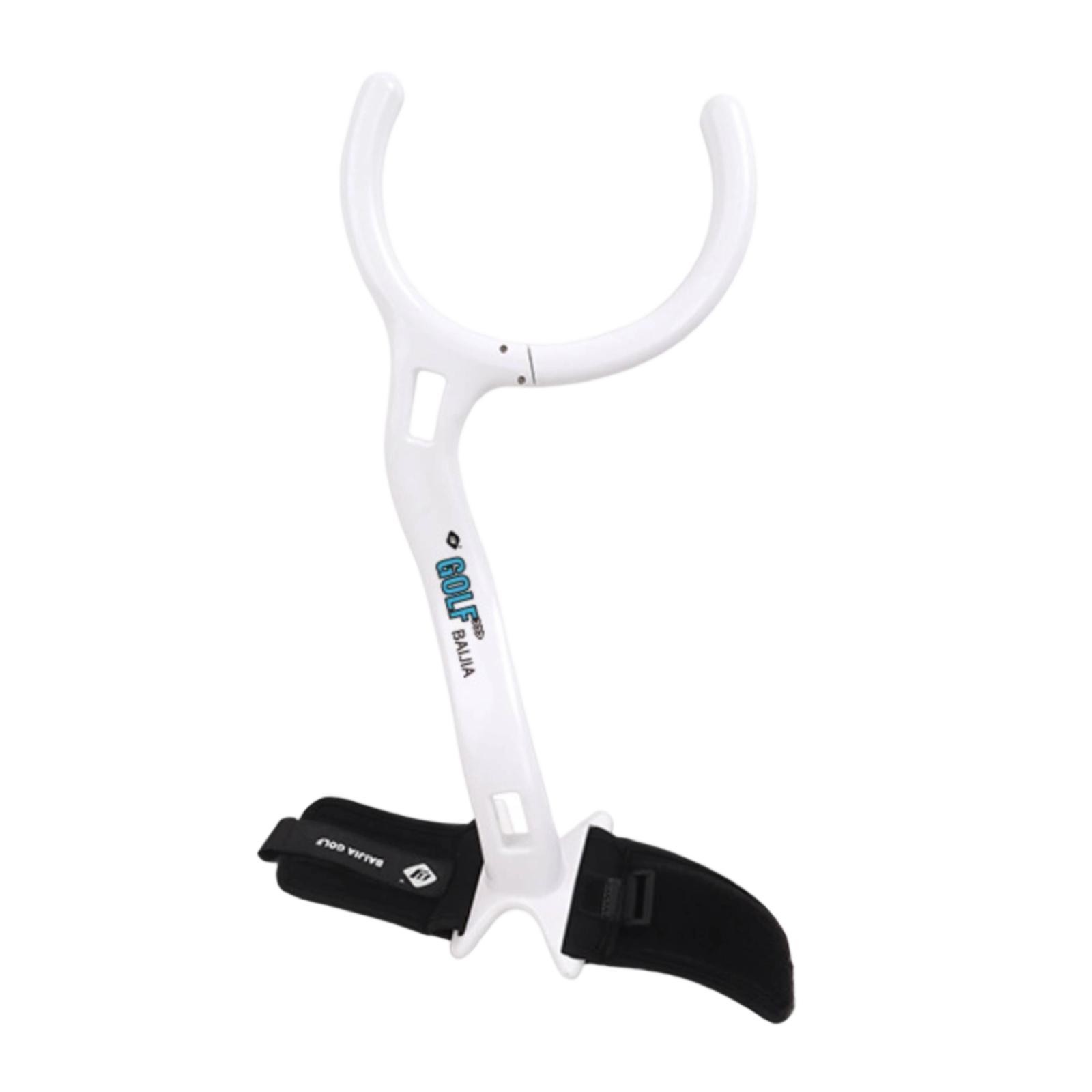

Photos from current listings. Actual item, color, and included accessories may vary.
Golf Training Tool Buying Guide
Golf training tools are specialized practice aids—swing trainers, alignment sticks, putting gates, impact bags, and tempo devices—that isolate a specific swing flaw or motor pattern. The core trade-off is between simple, durable passive aids (alignment rods, gates, weighted clubs) that build feel through repetition and electronic or resistance-based tools that provide feedback but add cost, batteries, and breakage risk. Buy passive, mechanically simple tools for lasting fundamentals; choose powered or resistance tools only for a specific flaw you have already diagnosed.


At a glance
- Category
- Golf Training, Shoes & Gloves
- Data updated
- Nov 17, 2026
Current offers
Highlights
- Passive aids—alignment sticks, putting gates, plane guides, impact bags—have no batteries or electronics and last years with zero maintenance, making them the highest durability-per-use tier.
- Swing-plane and tempo trainers use weighted shafts or hinged/clip mechanisms; check weight ratings and hinge material (metal vs plastic) because plastic clips crack under repeated full-speed swings.
- Putting gates and stroke guides depend on precise internal width; a gate narrower than the putter head forces center contact, so match gate width to your putter sole width.
- Electronic swing analyzers and tempo devices add sensors and apps; they deliver data but introduce charging, calibration, and app-compatibility dependencies that passive tools avoid.
Best use cases
- Best fit: alignment sticks and a putting gate for beginners building setup and stroke consistency—skip powered analyzers until a repeatable swing exists.
- Best fit: a weighted or hinged swing trainer for mid-handicappers fighting an over-the-top or casting move—skip generic 'miracle' aids without a defined mechanical correction.
- Best fit: an impact bag for players working on lag and shaft lean at impact—skip it if your flaw is putting or short-game related.
- Wrong fit: buying multiple overlapping aids at once; pick one tool targeting one flaw and master it before adding another.
Buying tips
- Alignment sticks: choose fiberglass or composite rods at roughly 48 in (1.2 m) for full-swing plane reference; wooden dowels snap and metal rods bend permanently.
- Putting gates: match internal gate width to your putter head width so a correct stroke passes cleanly; narrower gates exaggerate error for practice, not for gamer confidence.
- Weighted swing trainers: stay in the 1-3 lb added-weight range for speed and tempo work; heavier heads build strength but alter swing mechanics if overused.
- Hinged plane trainers: verify the hinge is metal or reinforced polymer and rated for full-speed swings; plastic hinges are the most common failure point.
Specs
| Tool Type | Passive alignment, gate, weighted, sensor |
|---|---|
| Power Requirement | None (passive) vs battery/app (active) |
| Swing Trainer Weight | 1-3 lb added head weight |
| Alignment Stick Length | 48 in / 1.2 m composite |
Related searches
What to check before buying
- Measure your practice space: full-swing trainers need roughly 10 ft ceiling clearance and 8 ft width; putting gates need only a flat 8-10 ft stretch.
- Confirm indoor/outdoor use: impact bags and net-based tools require a garage or yard; alignment and putting aids work on any flat surface including carpet.
- Check your putter head and grip dimensions against gate width and clip sizes before buying a putting or grip trainer.
- For powered analyzers, confirm the app runs on your phone OS and that the sensor mounts fit your club shaft diameter.
FAQ
Data sources: eBay / Amazon listings and product attribute feeds Data updated Nov 17, 2026.
Some links on this page are affiliate links. If you buy after clicking one, we may earn a commission at no extra cost to you. This does not change which products appear here or their order. Affiliate disclosure.